

Most British women do not realise that up to 20 percent of bone density can vanish in just a few years after menopause. This sharp decline leads to a much higher risk of osteoporosis and fractures, issues that silently affect many active women in their prime. Growing awareness of bone health means more women are seeking trusted collagen-based supplements to strengthen their bones, ease joint pain, and support recovery so they can keep up with life’s demands.
Table of Contents
- Why Bone Health Matters For Women Over 30
- Collagen Supplements: Key To Stronger Bones
- The Role Of Vitamin D In Bone Health Maintenance
- Calcium: Essential Mineral For Bone Strength
- Magnesium For Improved Bone Density
- Vitamin K2 And Its Contribution To Bone Support
- How To Choose The Right Bone Health Supplement
Quick Summary
| Takeaway | Explanation |
|---|---|
| 1. Prioritise weight-bearing exercises | Engaging in activities like walking or resistance training builds bone density and strengthens skeletal health, crucial from age 30 onwards. |
| 2. Ensure adequate vitamin D intake | Vitamin D is vital for calcium absorption; women over 30 should supplement, especially in winter months when sunlight is limited. |
| 3. Maintain sufficient calcium levels | Calcium is essential for strong bones; dietary sources and supplements can help women over 30 combat age-related bone density loss. |
| 4. Consider magnesium for bone support | Magnesium aids calcium absorption and bone formation; include magnesium-rich foods or supplements to enhance skeletal strength. |
| 5. Incorporate vitamin K2 into your diet | Vitamin K2 directs calcium to bones and is essential for bone metabolism; pairing it with calcium and vitamin D can boost bone health. |
1. Why Bone Health Matters for Women Over 30
As a woman approaches her 30s, understanding bone health becomes more than just another wellness trend it is a critical aspect of long-term physical wellbeing. Your bones are not static structures but living tissues that continuously renew themselves, with bone density reaching its peak in your late 20s and remaining stable until mid-30s.
After this point, a significant physiological shift occurs. Bone breakdown begins to outpace bone building, leading to gradual loss of bone tissue. This natural process makes bones progressively thinner and more fragile, dramatically increasing the risk of conditions like osteoporosis in later life.
Women face unique challenges in maintaining bone health. Hormonal changes particularly during perimenopause and menopause accelerate bone density loss. Research indicates that women can lose up to 20% of their bone density in the five to seven years following menopause, making proactive bone health strategies crucial.
Lifestyle factors play a substantial role in bone preservation. Low physical activity, insufficient calcium and vitamin D intake, smoking, and excessive alcohol consumption can significantly contribute to accelerated bone density decline. By understanding these risks early, women can implement targeted strategies to support their skeletal strength.
Insider Tip: Invest in weight bearing exercises and resistance training now to build bone density reserves that will protect you in future decades.
2. Collagen Supplements: Key to Stronger Bones
Collagen is a fundamental protein that acts as the primary structural building block in our skeletal system. While many consider collagen a beauty supplement, its potential role in bone health is increasingly attracting scientific attention.
The human body naturally produces collagen which provides strength and flexibility to bones, creating a complex matrix that supports overall skeletal integrity. As we age, natural collagen production declines, potentially contributing to reduced bone density and increased fracture risk.
Research into collagen supplements for bone health reveals intriguing yet inconclusive results. Current scientific evidence suggests potential benefits but emphasises the need for more comprehensive clinical studies to definitively establish collagen’s effectiveness in bone strength maintenance.
When considering collagen supplementation, women should focus on high quality sources that provide type I and type III collagen peptides. These specific collagen types are most closely associated with bone and connective tissue support. Consulting with healthcare professionals can help determine appropriate supplementation strategies tailored to individual health needs.
Smart Strategy: Choose collagen supplements that include additional bone supporting nutrients like vitamin D and calcium to maximise potential skeletal health benefits.
3. The Role of Vitamin D in Bone Health Maintenance
Vitamin D is often called the sunshine vitamin, playing a critical role in maintaining strong and healthy bones. This essential nutrient acts as a key regulator in calcium absorption and bone metabolism, ensuring your skeletal system remains resilient and robust.
In the United Kingdom, where sunlight exposure is limited during autumn and winter months, vitamin D supplementation becomes crucial for maintaining optimal bone health. The body typically synthesises vitamin D through sunlight exposure, but reduced daylight and increased time indoors can significantly impact this natural process.
Vitamin D works by facilitating calcium absorption in the gut and maintaining appropriate calcium and phosphate concentrations to support bone mineralisation. Without adequate vitamin D, bones can become thin, brittle, and prone to fractures. Women over 30 are particularly vulnerable to bone density changes, making consistent vitamin D intake essential.
Public health guidelines recommend a daily supplement of 10 micrograms during autumn and winter, with specific recommendations for individuals with darker skin, limited sun exposure, or those who cover most of their skin when outdoors. Individual requirements may vary, so consulting healthcare professionals can help determine personalised supplementation strategies.
Expert Recommendation: Consider combining vitamin D supplements with calcium rich foods and moderate weight bearing exercise to maximise bone health benefits.
4. Calcium: Essential Mineral for Bone Strength
Calcium is the foundational mineral responsible for building and maintaining strong bones throughout a woman’s lifetime. As a critical component of bone tissue, calcium plays a pivotal role in supporting skeletal health and preventing age related bone density loss.
Our bones are dynamic living tissues continuously undergoing remodelling, with calcium being a crucial structural element in this intricate process. When calcium intake is insufficient, the body begins extracting calcium from bone reserves, gradually weakening skeletal structure and increasing fracture risks.
Women over 30 face unique challenges in maintaining calcium levels. Hormonal changes, reduced oestrogen production, and natural metabolic shifts can accelerate bone mineral loss. Dietary sources such as dairy products, leafy green vegetables, and fortified foods offer excellent calcium options, while supplements can help bridge nutritional gaps.
Postmenopausal women are particularly vulnerable to calcium deficiency, making proactive supplementation and dietary planning essential. Combining calcium intake with weight bearing exercise and vitamin D can significantly enhance bone mineral density and overall skeletal resilience.
Expert Recommendation: Spread calcium intake throughout the day and pair supplements with meals for optimal absorption and reduced digestive discomfort.
5. Magnesium for Improved Bone Density
Magnesium is a powerful yet often overlooked mineral that plays a critical role in maintaining robust bone health for women over 30. While calcium often steals the spotlight, magnesium works behind the scenes as a key supporter of skeletal strength and resilience.
This essential mineral contributes significantly to bone structure by influencing bone metabolism and supporting the intricate processes of bone formation. Magnesium supports critical enzymatic functions that regulate calcium absorption and bone mineralization, making it an indispensable component of skeletal health.
Women experiencing hormonal changes after 30 can benefit substantially from maintaining adequate magnesium levels. The mineral helps activate vitamin D, enhances calcium absorption, and supports the production of bone building proteins. Natural dietary sources include nuts, seeds, whole grains, and leafy green vegetables which can help prevent potential deficiencies.
While most individuals obtain sufficient magnesium through diet, some may require targeted supplementation. Factors such as stress, certain medications, and dietary restrictions can impact magnesium absorption, making periodic assessment of mineral levels important for long term bone health.
Expert Recommendation: Combine magnesium rich foods with weight bearing exercises to maximise bone density and overall skeletal strength.
6. Vitamin K2 and Its Contribution to Bone Support
Vitamin K2 is a powerful yet often overlooked micronutrient that plays a crucial role in maintaining strong and healthy bones. Unlike its more well known counterpart vitamin K1, K2 specialises in directing calcium precisely where your body needs it most.
At its core, vitamin K2 activates a protein called osteocalcin, which acts like a molecular shepherd guiding calcium into bone tissue. Vitamin K2 supports critical bone metabolism by ensuring calcium is deposited effectively in bones while preventing unwanted calcification in soft tissues like arteries.
Women over 30 experience significant hormonal shifts that can impact bone density, making vitamin K2 supplementation increasingly important. By helping regulate calcium metabolism, K2 supports bone mineralization and reduces fracture risk. Natural sources include fermented foods, certain cheeses, and specific bacterial productions in the gut.
Research indicates that combining vitamin K2 with other bone supporting nutrients such as calcium and vitamin D can create a synergistic effect, potentially enhancing overall bone strength and resilience. Understanding and incorporating this vitamin into your nutritional strategy can be a proactive approach to long term skeletal health.
Expert Recommendation: Consider pairing vitamin K2 rich foods with calcium and vitamin D to maximise bone supporting benefits.
7. How to Choose the Right Bone Health Supplement
Navigating the world of bone health supplements can feel overwhelming, with countless options promising miraculous results. Understanding how to select the right supplement requires a strategic approach that considers individual health needs and scientific evidence.
Selecting bone health supplements demands careful consideration of key nutritional components. Look for formulations that combine essential nutrients like calcium, vitamin D3, magnesium, and vitamin K2 in balanced proportions designed to support bone metabolism.
Beyond nutrient composition, consider factors such as product quality, bioavailability, and potential interactions with existing medications. Women over 30 should prioritise supplements that offer highly absorbable forms of minerals and vitamins, preferably from reputable manufacturers with transparent ingredient sourcing and third-party testing.
Personal health history plays a critical role in supplement selection. Factors like existing medical conditions, current medications, dietary restrictions, and individual absorption capabilities can significantly influence supplement effectiveness. Consulting with healthcare professionals can provide personalised guidance tailored to your specific bone health requirements.
Expert Recommendation: Always cross reference supplement ingredients with your healthcare provider and consider periodic bone density assessments to track the effectiveness of your chosen supplementation strategy.
Below is a comprehensive table summarising the main concepts and recommendations discussed throughout the article.
| Topic | Key Insights | Recommendations |
|---|---|---|
| Bone Health for Women Over 30 | Bone density peaks by the late 20s and begins to decline after 35, increasing susceptibility to conditions like osteoporosis. | Engage in weight-bearing exercises and consume a sufficient amount of calcium and vitamin D. |
| Collagen’s Role in Bone Strength | Collagen provides the primary framework for bones; its natural production diminishes with age. | Evaluate high-quality collagen supplements containing types I and III peptides combined with vital nutrients. |
| Importance of Vitamin D | Crucial for calcium absorption and bone metabolism. Sunlight deficiency may contribute to insufficient levels. | Supplement especially in sun-deprived seasons, with a healthcare provider’s guidance for proper dosage. |
| Calcium and Bone Development | A primary component of bone tissue, constant adequate intake is necessary throughout life to maintain bone health. | Incorporate calcium-rich foods in your diet and opt for supplements if dietary levels are inadequate. |
| Magnesium’s Hidden Benefits | Plays a key role in enabling calcium absorption, facilitated by vitamin D, and contributes to enzymatic functions necessary for bone formation. | Consume foods rich in magnesium or discuss supplementation when dietary sources are insufficient. |
| The Role of Vitamin K2 | Directs calcium integration into bone tissue, preventing unwanted calcification of soft tissues. | Include vitamin K2-rich fermented foods in your diet or opt for supplements for enhanced calcium utility. |
Elevate Your Bone Health with Targeted Collagen Support
Maintaining strong bones after 30 involves tackling issues like declining collagen production, hormonal changes, and nutrient absorption challenges highlighted in the article. Women concerned about bone fragility, reduced density, and the need for effective supplementation can benefit from science-backed solutions that provide more than just calcium and vitamin D.
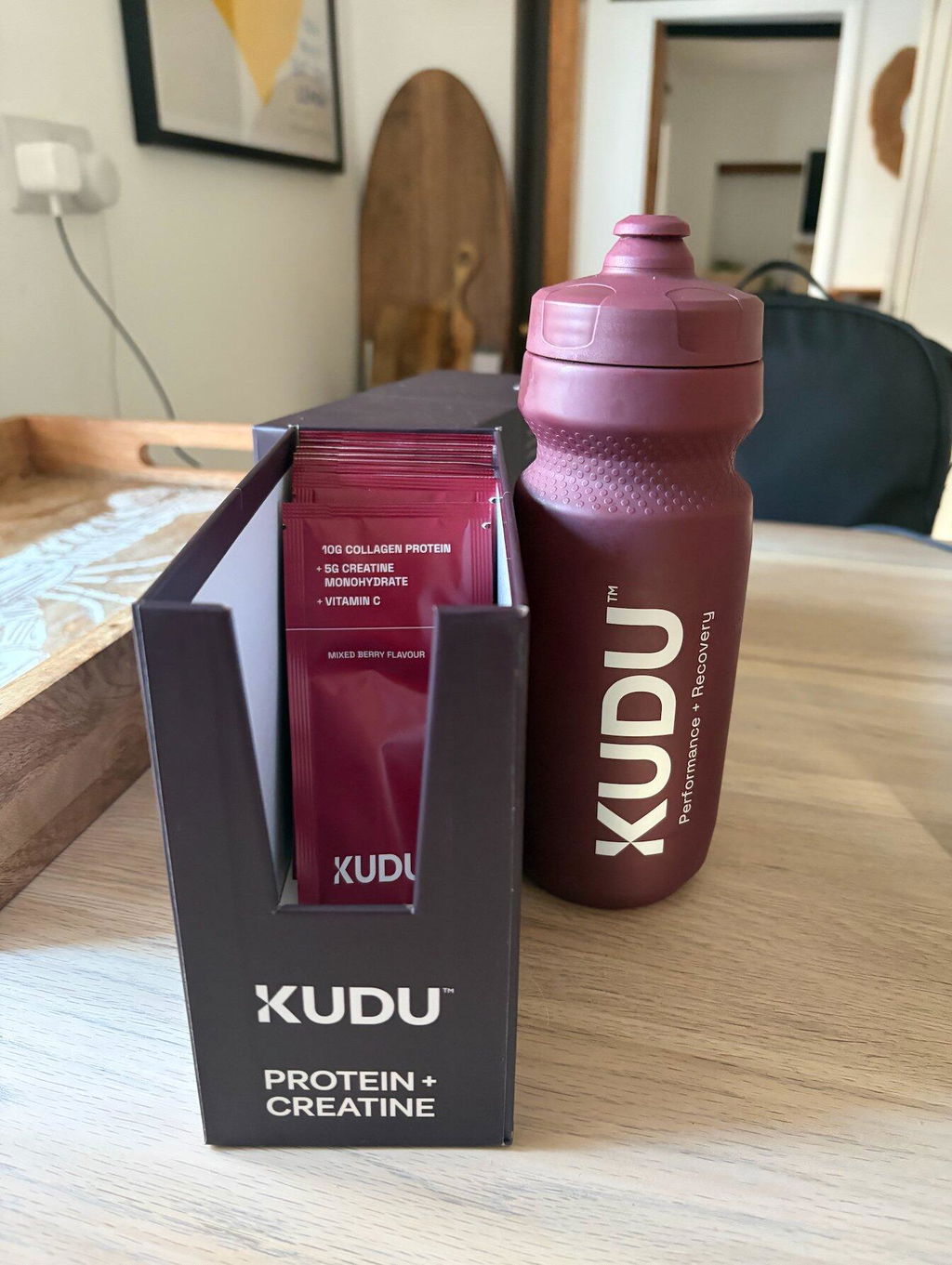
Discover how KUDU Nutrition’s high-quality collagen supplements directly address these concerns by delivering type I and type III collagen peptides essential for bone matrix strength. Our formula supports bone integrity while enhancing skin and joint health, giving you a comprehensive approach to wellness. Backed by trusted certifications and a pleasant taste, it is designed for health-conscious women seeking visible and lasting improvements.
Explore our range starting with KUDU Nutrition | 20g Collagen Protein for Performance & Recovery and see how focused nutrition boosts your skeletal resilience. For a direct solution tailored to your bone health goals, try the 20g Collagen Protein Supplements or go straight to our collagen protein sachets pack.
Take control of your bone health today by choosing a supplement formulated to meet your needs. Visit https://kudunutrition.com/products/20g-collagen-protein-14-pack to start strengthening your bones with premium collagen nutrition now.
Frequently Asked Questions
What are the key supplements for bone health for women over 30?
To support bone health, key supplements include calcium, vitamin D, magnesium, and vitamin K2. Incorporate these into your daily routine to help maintain bone density as you age.
How do I know I need a calcium supplement?
If your dietary intake of calcium is insufficient—typically below 1,000 mg per day—consider taking a supplement. Start by tracking your daily calcium sources and adjust accordingly.
What role does vitamin D play in bone health?
Vitamin D is essential for calcium absorption and maintaining mineral balance in bones. Ensure you get adequate sunlight exposure or consider taking a vitamin D supplement, especially in the colder months.
When is the best time to take bone health supplements?
Take bone health supplements in alignment with meals to enhance absorption. For instance, consume calcium and magnesium with a meal that includes fats to improve their effectiveness.
How long will it take to see benefits from bone health supplements?
You may start to notice changes in your bone health within approximately three to six months of consistent supplementation. Regularly monitor your bone density through assessments to track improvements.