

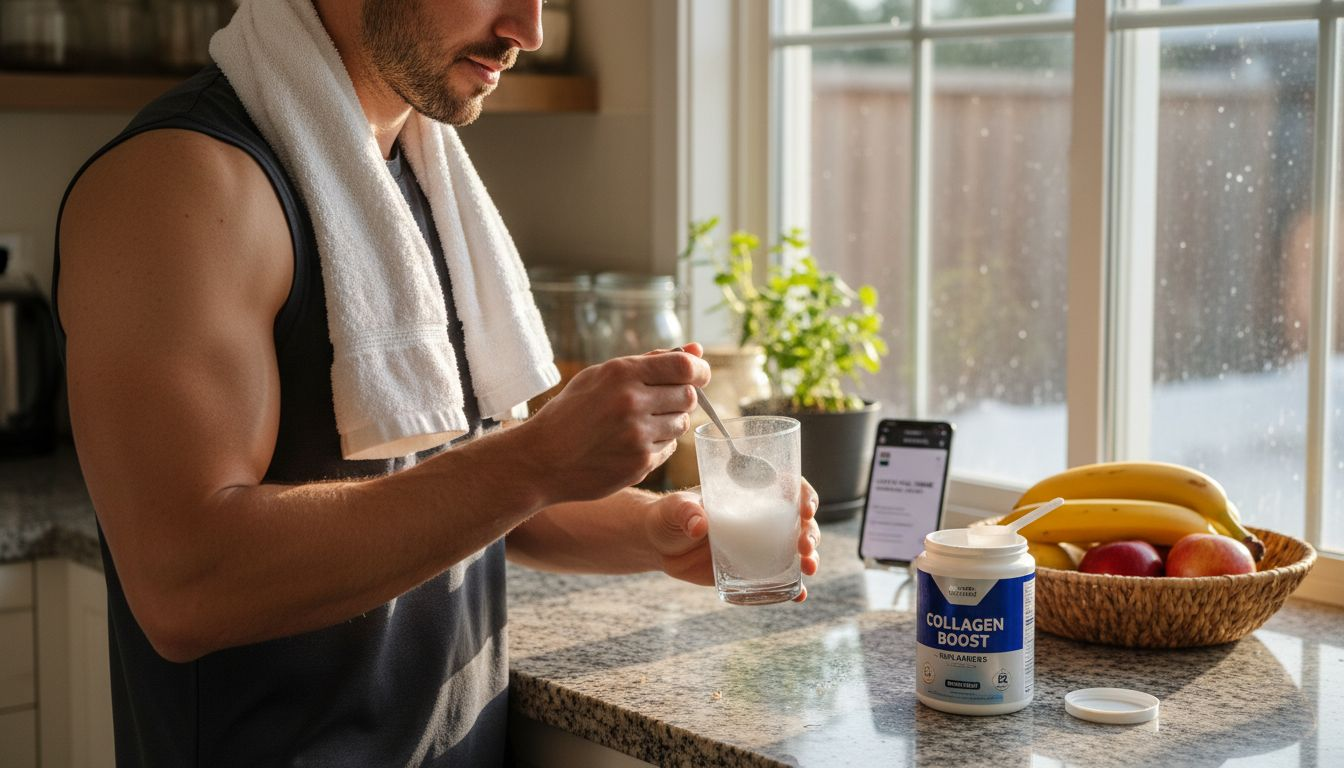
Many people associate collagen solely with youthful skin and flexible joints, overlooking its fundamental role in gut health. Research reveals that collagen types I and III form the structural backbone of your intestinal lining, directly influencing barrier integrity and digestive function. This guide explains how collagen supplementation supports gut lining repair, reduces inflammation, and accelerates athletic recovery through targeted nutritional intervention.
Table of Contents
- Introduction To Collagen And The Gut Lining
- How Collagen Supports Gut Lining Repair And Maintenance
- Collagen’s Role In Gut Inflammation And Athletic Recovery
- Types Of Collagen Most Effective For Gut Lining
- Common Misconceptions About Collagen And Gut Lining Health
- How And When To Use Collagen For Gut Health
- Conclusion And Next Steps For Gut Health With Collagen
- Support Your Gut Health And Recovery With KUDU Collagen Protein
Key takeaways
| Point | Details |
|---|---|
| Structural foundation | Collagen types I and III comprise 80-90% of gut lining structure, essential for barrier integrity and nutrient absorption. |
| Amino acid supply | Collagen peptides deliver glycine, proline, and hydroxyproline that promote gut repair and reduce inflammatory responses. |
| Athletic benefits | Improved gut barrier function enhances nutrient absorption and reduces exercise-induced gut distress, supporting faster recovery. |
| Absorption superiority | Hydrolysed type I/III collagen peptides achieve over 90% absorption rates, significantly outperforming other collagen types for gut health. |
| Dosing precision | Consistent daily intake of 5-10 grams over 4-8 weeks produces measurable gut health improvements without wasteful excess. |
Introduction to collagen and the gut lining
Your gut lining represents a sophisticated biological barrier comprising multiple tissue layers that regulate nutrient absorption whilst blocking harmful substances. The gut lining is composed of collagen types I, III, and V, which provide structural support to the intestinal epithelium and extracellular matrix. This collagen framework maintains the physical integrity required for optimal digestive function.
The extracellular matrix surrounding epithelial cells relies heavily on collagen fibres to maintain shape and resilience. These structural proteins create a scaffold that supports cellular attachment and communication throughout the intestinal wall. When this collagen network functions properly, your gut barrier effectively prevents toxins and undigested food particles from entering your bloodstream.
Understanding this structural relationship clarifies why collagen supplementation targets gut health beyond superficial beauty benefits:
- Collagen fibres form the foundational architecture supporting gut epithelial cells
- The extracellular matrix requires continuous collagen synthesis to maintain barrier strength
- Degraded collagen structures compromise intestinal permeability and barrier function
- Nutrient absorption efficiency depends on intact collagen support within villi structures
Healthy gut barrier function depends on consistent collagen presence within intestinal tissues. Athletes and fitness enthusiasts particularly benefit from this understanding, as collagen and gut health science demonstrates that intensive training can stress gut barrier integrity. Maintaining adequate collagen levels through nutrition or supplementation becomes crucial for preventing gut permeability issues that compromise both performance and recovery.
The intestinal extracellular matrix collagen creates a dynamic environment where cellular repair and renewal occur continuously. This ongoing maintenance requires steady amino acid availability, which collagen supplementation can provide efficiently.
How collagen supports gut lining repair and maintenance
Collagen peptides function as targeted nutritional building blocks for intestinal tissue repair. Supplemental collagen peptides provide glycine, proline, and hydroxyproline essential for synthesising new collagen in the gut lining. These specific amino acids trigger cellular pathways responsible for extracellular matrix production and mucosal protein synthesis.
Your body utilises these amino acids through precise biochemical processes:
- Digested collagen peptides enter bloodstream circulation rapidly due to their small molecular size
- Intestinal cells absorb these peptides and direct them toward tissue repair sites
- Glycine and proline combine to form new collagen triple helix structures within gut tissues
- Hydroxyproline signals fibroblasts to increase collagen production rates throughout the intestinal wall
- New collagen fibres integrate into existing extracellular matrix, strengthening barrier integrity
Clinical evidence confirms that regular collagen intake produces measurable improvements in intestinal barrier function. Studies tracking gut permeability markers demonstrate reduced intestinal inflammation and enhanced tight junction integrity following consistent supplementation. The collagen peptides role in tissue repair shows that these benefits accumulate over weeks of sustained use.

Pro Tip: Combine collagen supplementation with vitamin C sources to enhance hydroxyproline synthesis, maximising your gut repair capacity naturally.
The maintenance aspect proves equally important as initial repair. Your gut lining cells regenerate every 3-5 days, creating constant demand for structural proteins. Improving gut health with collagen requires viewing supplementation as ongoing nutritional support rather than temporary intervention.
This continuous renewal process means consistent collagen intake supports long-term gut health stability. Athletes particularly benefit from this sustained approach, as training stress continually challenges gut barrier integrity through reduced blood flow during intense exercise.
Collagen’s role in gut inflammation and athletic recovery
Inflammation within gut tissues disrupts barrier function and impairs nutrient absorption, creating cascading effects throughout your body. Collagen peptides demonstrate remarkable anti-inflammatory properties that specifically target intestinal inflammation pathways. These peptides modulate pro-inflammatory cytokine production, reducing chemical signals that damage gut lining cells.
The anti-inflammatory mechanisms operate through multiple pathways:
- Collagen-derived peptides inhibit NF-kB activation, a key inflammatory signalling pathway
- Reduced cytokine levels decrease intestinal permeability caused by inflammatory damage
- Enhanced tight junction protein expression strengthens cellular barriers against inflammation
- Improved extracellular matrix integrity resists inflammatory tissue degradation
Athletes experience particular benefits from these anti-inflammatory effects. Intense training often triggers exercise-induced gut distress, characterised by cramping, nausea, and increased intestinal permeability. Research tracking athletes supplementing with collagen shows reduced gut discomfort during training and competition.
Pro Tip: Take collagen within 30 minutes post-workout to capitalise on enhanced nutrient absorption windows whilst supporting gut barrier repair.
“Maintaining gut barrier integrity through collagen supplementation represents a fundamental recovery strategy that amplifies all other nutritional interventions for athletes.”
The connection between gut health and recovery extends beyond digestive comfort. A compromised gut barrier allows inflammatory compounds into circulation, triggering systemic inflammation that slows muscle repair and adaptation. Strengthening your gut lining through collagen for athletic recovery creates conditions where nutrients reach muscles efficiently whilst inflammatory triggers remain contained.
Improved gut barrier function also enhances absorption of other recovery nutrients including amino acids, vitamins, and minerals. This synergistic effect means collagen supplementation amplifies benefits from your entire nutrition programme rather than functioning in isolation.
Types of collagen most effective for gut lining
Not all collagen types deliver equivalent benefits for intestinal health. Type I and type III collagen constitute 80-90% of gut collagen content, making them the logical supplementation targets. Type I and type III collagen supplementation from hydrolysed sources has better bioavailability and preferentially supports gut lining repair.

The absorption and efficacy differences between collagen types prove substantial:
| Collagen Type | Gut Lining Presence | Absorption Rate | Primary Benefit |
|---|---|---|---|
| Type I | 70-80% | >90% (hydrolysed) | Structural integrity, barrier strength |
| Type III | 10-20% | >90% (hydrolysed) | Tissue elasticity, repair signalling |
| Type II | <5% | 60-70% | Minimal gut benefit, cartilage focus |
| Type V | 2-5% | Limited data | Regulatory functions |
Type II collagen, whilst valuable for joint cartilage, demonstrates limited relevance for gut lining repair. Its molecular structure and tissue distribution pattern make it poorly suited for intestinal applications. Choosing supplements specifically containing type I and III collagen ensures you target gut health effectively.
Hydrolysed collagen peptides offer superior absorption compared to intact collagen proteins. The hydrolysis process breaks collagen into smaller peptide chains that your digestive system absorbs rapidly without extensive breakdown. The collagen peptide bioavailability00123-4/fulltext) research confirms absorption rates exceeding 90% for properly hydrolysed type I/III collagen.
This absorption advantage translates directly into efficacy for gut repair. Higher bioavailability means more collagen peptides reach intestinal tissues where they trigger repair mechanisms. Comparing gut health collagen supplement comparison options reveals that type I/III hydrolysed formulations consistently outperform other variants.
Selecting the appropriate collagen type represents a critical decision point that determines supplementation success. Investing in type I/III specific products ensures your collagen intake directly supports gut lining objectives.
Common misconceptions about collagen and gut lining health
Several persistent myths surrounding collagen supplementation create confusion and suboptimal usage patterns. A common misconception is that all collagen types or supplements are equally effective for gut lining health. Evidence demonstrates that collagen type specificity and dosing precision significantly influence outcomes.
Addressing these misconceptions directly improves supplementation effectiveness:
- All collagen benefits gut equally: Only type I and III collagen match gut tissue composition, whilst type II targets cartilage with minimal intestinal relevance
- Higher doses accelerate results: Exceeding 10 grams daily provides no additional gut benefits and wastes resources without improving outcomes
- Collagen only affects skin and joints: Research confirms gut lining contains more collagen than skin, making intestinal health a primary supplementation target
- Immediate results are expected: Gut tissue renewal requires 4-8 weeks of consistent intake before measurable barrier improvements manifest
- Any protein source works similarly: Collagen’s unique amino acid profile, particularly high glycine and proline content, cannot be replicated by standard proteins
The dosing misconception proves particularly costly. Many assume that doubling collagen intake doubles benefits, but absorption capacity and cellular utilisation rates plateau beyond optimal ranges. Studies tracking gut barrier markers show no additional improvement when daily intake exceeds recommended levels.
Timing expectations appropriately prevents premature discontinuation. Your gut lining regenerates continuously, but structural improvements accumulate gradually as new collagen integrates into existing tissue matrices. Understanding collagen absorption best practices helps align expectations with biological realities.
The protein equivalency myth particularly misleads athletes seeking gut health improvements. Whilst all proteins provide amino acids, collagen’s specific composition delivers glycine and proline at concentrations unmatched by meat, dairy, or plant proteins. This compositional uniqueness explains why collagen supplementation produces gut benefits that general protein intake cannot replicate.
Recognising these misconceptions allows you to approach collagen supplementation strategically rather than following popular but ineffective practices.
How and when to use collagen for gut health
Implementing effective collagen supplementation requires attention to product selection, dosing schedules, and timing relative to training or daily routines. Choose hydrolysed collagen peptides specifically containing type I and III collagen from reputable sources with transparent ingredient listings. Quality matters significantly, as processing methods influence peptide size and absorption efficiency.
Follow this practical implementation framework:
- Select hydrolysed type I/III collagen supplements verified through third-party testing for purity and potency
- Begin with 5 grams daily, taken consistently at the same time to establish routine adherence
- Increase to 10 grams daily if gut symptoms persist after 4 weeks or training intensity demands higher support
- Maintain supplementation for minimum 8 weeks before evaluating effectiveness through symptom tracking
- Combine collagen with vitamin C sources and balanced meals to optimise absorption and utilisation
Timing supplementation strategically enhances benefits for athletes and active individuals. Taking collagen post-workout capitalises on increased blood flow to digestive tissues whilst supporting concurrent muscle recovery processes. Morning intake on rest days maintains consistent amino acid availability for ongoing gut maintenance.
Pro Tip: Mix collagen powder into smoothies or beverages rather than taking it alone, as the liquid environment facilitates faster gastric emptying and absorption.
Lifestyle factors significantly influence collagen supplementation outcomes. Combining collagen intake with gut-friendly dietary patterns, adequate hydration, stress management, and sufficient sleep creates optimal conditions for intestinal repair. The collagen recovery guide emphasises this integrated approach for maximum benefit.
Consistency proves more important than perfection. Missing occasional doses matters less than maintaining regular intake patterns over weeks and months. Your gut lining’s continuous renewal means sustained collagen availability supports cumulative improvements in barrier function and inflammatory control.
Tracking subjective gut symptoms alongside performance metrics helps assess individual response patterns. Note changes in digestive comfort, training tolerance, recovery speed, and overall wellness markers throughout your supplementation trial.
Conclusion and next steps for gut health with collagen
Collagen types I and III form the structural foundation of intestinal barrier integrity, making targeted supplementation a logical strategy for gut health optimisation. Evidence demonstrates that hydrolysed collagen peptides improve gut barrier function, reduce inflammatory signalling, and support athletic recovery through enhanced nutrient absorption. Consistent dosing of 5-10 grams daily over 4-8 weeks produces measurable benefits without wasteful excess.
Selecting the appropriate collagen type and maintaining regular intake patterns determine supplementation success. Integrating collagen into comprehensive wellness routines that include balanced nutrition, adequate recovery, and stress management creates synergistic effects that amplify gut health improvements. Athletes and health-conscious individuals benefit from viewing collagen as foundational nutritional support rather than optional supplementation.
Support your gut health and recovery with KUDU collagen protein
KUDU offers specialised hydrolysed type I and III collagen products designed specifically for gut lining repair and athletic recovery. Their 20g collagen protein supplements deliver optimal daily doses in convenient, great-tasting formats that integrate seamlessly into training nutrition routines.

Each serving provides the precise collagen types and dosages supported by clinical research for gut barrier enhancement. The 20g liquid collagen protein 14 pack offers portable, pre-measured sachets ideal for post-workout consumption or daily maintenance. KUDU’s commitment to quality through Informed Sport certification ensures athletes receive pure, effective collagen without banned substances or contaminants.
How quickly can I expect to see gut health benefits from collagen?
Most studies observe gut barrier improvements within 4 to 8 weeks of regular collagen supplementation at recommended doses. Individual response times vary based on baseline gut health status and overall nutrition quality. Consistency with dosing proves crucial, as intermittent intake disrupts the cumulative tissue repair processes that produce measurable benefits.
Can I take collagen supplements alongside other gut health products?
Collagen can be safely combined with other gut health supplements like fibre, probiotics, or digestive enzymes for complementary benefits. This combination approach often produces superior outcomes compared to single-supplement strategies. Ensure you do not exceed recommended collagen doses even when using multiple products, as excess intake provides no additional gut benefits.
Is more collagen always better for improving gut lining?
Taking collagen above the recommended 5-10 gram daily range offers no proven additional gut benefits based on current research. Cellular utilisation capacity and absorption rates plateau beyond optimal doses, making excess intake wasteful without improving barrier function or repair rates. Focus on consistency within recommended ranges rather than pursuing higher doses for gut health applications.
Recommended
 20g per shot
Ready to try it?
20g Liquid Collagen Protein
4.7 from 495 reviews
- 20g hydrolysed bovine collagen per shot
- Ready to drink in two sips. 85 kcal, 0g sugar
- Informed Sport certified
Pick a flavour
£34.95 for 14
or £1.99 a shot on subscription
Free UK delivery over £50 · 60-day money-back guarantee · Pause or cancel any time
More on this topic: Collagen for muscle recovery →