


Finding the right approach to recovery can be a challenge when every training session pushes your limits. For athletes and fitness enthusiasts in the United Kingdom, building an effective routine requires more than just motivation. The UK Chief Medical Officers’ physical activity guidelines highlight the need to adapt recovery to your specific needs. Here you will find practical steps and expert-backed advice for assessing your current recovery practices, incorporating collagen-based supplements, and supporting your body’s natural repair process.
Table of Contents
- Stage 1: Assess Your Recovery Needs And Current Routine
- Stage 2: Incorporate Collagen-Based Supplements Daily
- Stage 3: Optimise Hydration And Balanced Nutrition
- Stage 4: Implement Effective Rest And Active Recovery Techniques
- Stage 5: Evaluate Recovery Progress And Adjust Strategies
Quick Summary
| Key Point | Explanation |
|---|---|
| 1. Understand your recovery needs | Assess your training routine and how your body responds to develop a tailored recovery strategy. |
| 2. Incorporate collagen daily | Regular collagen supplementation can enhance recovery; choose the right type and monitor responses. |
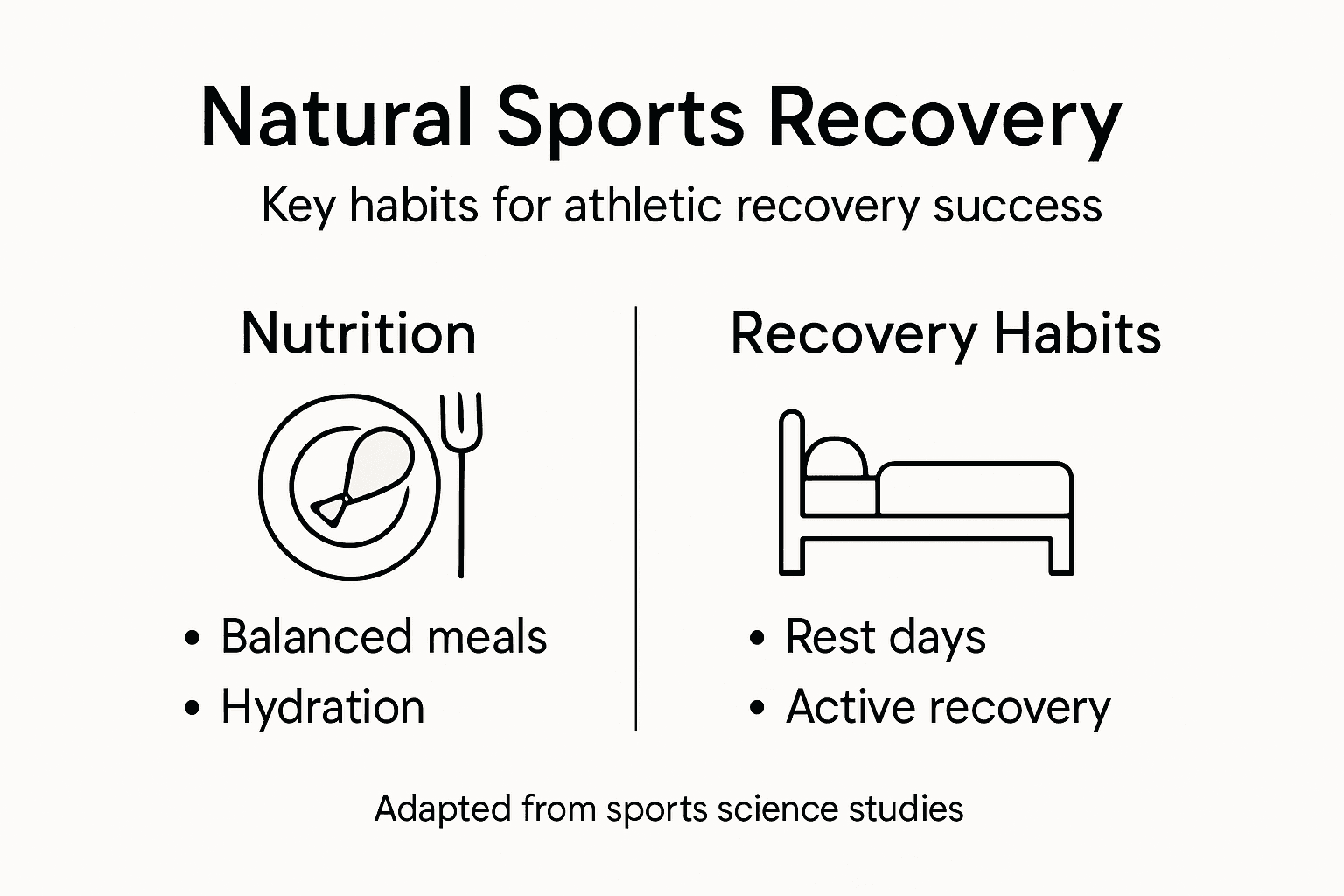
| 3. Prioritise hydration and nutrition | Establish a hydration and nutrition plan that aligns with your training to support optimal performance. |
| 4. Implement rest and active recovery | Balance rest with light activities to promote healing and prevent overtraining while enhancing flexibility. |
| 5. Regularly evaluate your progress | Consistently track recovery metrics and adjust strategies based on performance to optimise results. |
Stage 1: Assess your recovery needs and current routine
Understanding your body’s unique recovery requirements is crucial for optimal athletic performance. Professional athletes recognise that recovery is not a one-size-fits-all process but a personalised journey tailored to individual physiological responses and training intensities. The UK Chief Medical Officers’ physical activity guidelines provide an excellent framework for comprehensively evaluating your current recovery approach.
To effectively assess your recovery needs, start by documenting your current training routine, including workout frequency, intensity, and types of physical activities. Track metrics such as workout duration, rest periods, and perceived exertion levels. Consider consulting a physiotherapist who can help you develop a personalised rehabilitation plan that accounts for your specific physiological characteristics and athletic goals. Pay close attention to how your body responds to different training loads and recovery strategies, noting factors like muscle soreness, energy levels, sleep quality, and overall performance.
Carefully analyse your existing recovery practices, identifying potential gaps or areas for improvement. This might involve examining your nutrition, hydration, sleep patterns, and active recovery techniques. By creating a detailed recovery profile, you will be better equipped to design a targeted approach that supports your body’s natural healing and performance enhancement processes.
Expert Recommendation: Keep a detailed training and recovery journal to track your body’s responses and identify patterns that can inform your personalised recovery strategy.
Below is a summary of key factors to monitor when assessing athletic recovery effectiveness:
| Factor | Why Monitor It | Potential Impact on Recovery |
|---|---|---|
| Muscle soreness | Indicates recovery rate | Prevents overtraining risks |
| Sleep quality | Affects healing process | Improves energy restoration |
| Energy levels | Shows adaptation status | Supports performance growth |
| Hydration patterns | Impacts tissue repair | Reduces muscle fatigue |
| Nutrition balance | Fuels recovery process | Enhances muscle rebuilding |
Stage 2: Incorporate collagen-based supplements daily
Improving your athletic recovery through daily collagen supplementation requires a strategic and consistent approach. Understanding how to integrate these powerful nutritional supports effectively can significantly enhance your body’s natural healing processes. The Talented Athlete Scholarship Scheme recommends tailored nutritional support that addresses individual athlete development needs.
Begin by selecting a high quality collagen supplement that matches your specific athletic requirements. Choose between hydrolysed collagen powder, liquid sachets, or capsules depending on your preference and lifestyle. Aim to consume your supplement consistently at the same time each day ideally on an empty stomach or alongside vitamin C rich foods to maximise absorption. When incorporating oral nutritional supplements, consider starting with a recommended dosage between 10 to 15 grams daily, adjusting based on your training intensity and physiological response.
Monitor your body’s reaction to the supplement and track any improvements in recovery speed, muscle soreness, and overall performance. Some athletes find benefits within 4 to 12 weeks of consistent supplementation, so patience and careful observation are key. Combine your collagen intake with balanced nutrition, proper hydration, and adequate rest to maximise potential recovery benefits.
Expert Recommendation: Consult with a sports nutritionist to personalise your collagen supplementation strategy and ensure it aligns perfectly with your individual athletic goals.
Here is a comparison of common collagen supplement forms suitable for regular athletic use:
| Type | Absorption Rate | Convenience | Recommended Usage |
|---|---|---|---|
| Hydrolysed powder | Rapid | Mixable drinks | Pre-workout or morning |
| Liquid sachet | Fast | Portable | On the go or post-training |
| Capsule | Moderate | Easy dosing | Daily routine or with meals |
Stage 3: Optimise hydration and balanced nutrition
Achieving peak athletic performance requires a strategic approach to hydration and nutrition that goes beyond simple fluid intake. NHS hydration guidelines emphasise the critical role of proper fluid consumption in supporting overall athletic recovery and performance. Understanding how to balance your nutritional intake can transform your body’s ability to repair and rebuild after intense training sessions.
Begin by establishing a personalised hydration strategy that adapts to your specific training intensity and environmental conditions. Aim to consume 6 to 8 cups of fluid daily, adjusting this baseline upward during high intensity workouts or in warmer weather. Focus on incorporating a balanced mix of macronutrients proteins, carbohydrates, and healthy fats that support muscle recovery and energy replenishment. Pay special attention to timing your nutrient intake around your training schedule to maximise absorption and recovery potential. The NHS England nutrition principles recommend a comprehensive approach that considers individual metabolic needs and activity levels.
Create a nutrition plan that includes whole foods rich in essential nutrients such as lean proteins, complex carbohydrates, and antioxidant rich fruits and vegetables. Consider tracking your food intake and hydration levels to identify patterns and optimise your nutritional strategy. Experiment with different meal timings and compositions to discover what works best for your body and training regimen.
Expert Recommendation: Consider working with a sports nutritionist to develop a personalised nutrition plan that precisely matches your athletic goals and metabolic requirements.
Stage 4: Implement effective rest and active recovery techniques
Successful athletic recovery demands a nuanced approach that balances strategic rest with purposeful movement. Occupational therapy strategies emphasise the importance of energy conservation and intelligent pacing to prevent overtraining and support optimal physiological healing.

Develop a comprehensive recovery approach that integrates both passive and active recovery techniques. Implement light movement activities such as gentle stretching, swimming, or walking on rest days to promote blood circulation without causing additional stress. The Royal National Orthopaedic Hospital rehabilitation guidelines recommend progressive loading techniques that gradually reintroduce movement while protecting your body from potential injury. Consider incorporating mobility exercises, foam rolling, and low intensity yoga to maintain flexibility and support muscle recovery.
Create a structured recovery schedule that includes dedicated rest periods and active recovery sessions. Monitor your body’s response carefully, paying attention to signs of fatigue, muscle soreness, and overall energy levels. Adjust your recovery strategy based on your training intensity, personal recovery rate, and individual physiological needs. Remember that effective recovery is not about complete inactivity but about strategic, mindful movement that supports your body’s natural healing processes.
Expert Recommendation: Develop a personalised recovery journal to track your body’s responses and fine tune your rest and active recovery strategies over time.
Stage 5: Evaluate recovery progress and adjust strategies
Tracking and assessing your athletic recovery is a dynamic process that requires consistent monitoring and strategic refinement. Post-operative physiotherapy guidelines emphasise the importance of ongoing evaluation to ensure your recovery strategies remain effective and aligned with your body’s changing needs.
Implement a comprehensive assessment approach that combines multiple evaluation methods. Develop a detailed tracking system that monitors key performance indicators such as muscle soreness levels, energy recovery, sleep quality, and overall athletic performance. Use quantitative measurements like heart rate recovery, range of motion tests, and subjective feedback to create a holistic view of your progress. The UK government evaluation framework recommends using contextual factors and implementation insights to refine your recovery strategies continuously.
Establish regular check-in points to review your recovery data and make informed adjustments. Look for patterns in your body’s response to different recovery techniques, nutrition strategies, and training intensities. Be prepared to modify your approach based on objective measurements and your body’s signals. Remember that recovery is not a linear process, and what works one month might need adaptation as your fitness level and training demands evolve.
Expert Recommendation: Conduct a monthly comprehensive review of your recovery strategies, comparing performance metrics and subjective experiences to identify opportunities for optimisation.
Boost Your Recovery with Targeted Collagen Support
Enhancing sports recovery naturally requires addressing key challenges such as muscle soreness, joint health, and efficient tissue repair. This article highlights the importance of personalised recovery strategies including daily collagen supplementation to accelerate healing and optimise performance. If you are striving to reduce recovery time and maintain peak condition, choosing the right collagen supplement is essential.
Discover the difference a high quality, collagen-rich product can make with 20g Collagen Protein Supplements from KUDU Nutrition. Our scientifically formulated liquid collagen sachets deliver potent nutritional support tailored to active lifestyles. Backed by nutritional data, transparency, and Informed Sport certification, they help you effectively combine collagen intake with your hydration and nutrition plan for powerful results.

Experience enhanced skin elasticity, joint comfort, and faster fitness recovery by integrating KUDU’s collagen sachets into your routine today. Act now to optimise your personalised sports recovery strategy and achieve your athletic goals with confidence. Explore our flagship product at KUDU Nutrition’s 20g Collagen Protein 14 Pack and take the next step towards superior recovery.
Frequently Asked Questions
How can I assess my recovery needs as an athlete?
To assess your recovery needs, document your current training routine, including workout frequency, intensity, and types of activities. Track your muscle soreness, energy levels, and sleep quality to identify areas for improvement in your recovery strategy.
What role do collagen-based supplements play in sports recovery?
Collagen-based supplements help support muscle recovery and reduce soreness. Aim to incorporate 10 to 15 grams of collagen daily, alongside vitamin C rich foods, to enhance absorption and maximise benefits within 4 to 12 weeks.
How can I optimise my hydration strategy for better recovery?
To optimise hydration, consume 6 to 8 cups of fluids daily, adjusting for intensity and environmental conditions. Monitor your hydration levels and ensure you are adequately replenishing fluids during and after workouts for effective recovery.
What effective rest techniques should I incorporate into my recovery routine?
Incorporate both passive and active recovery techniques, such as light stretching or walking on rest days. Create a structured recovery schedule that allows for adequate rest periods while promoting circulation through purposeful movement.
How do I evaluate my recovery progress as an athlete?
Evaluate your recovery progress by tracking key performance indicators like muscle soreness and sleep quality. Establish regular check-in points to review your data and adjust your recovery strategies as your training intensity varies.
What are some active recovery techniques I can implement?
Active recovery techniques include gentle stretching, swimming, or yoga to promote blood circulation without straining your body. Implement these activities during rest days to aid in muscle recovery and overall performance.
Recommended
- 7 Key Examples of Post-Workout Recovery Nutrients
- Collagen for Athletes Explained: Recovery, Joints, and Results
- 7 Best Protein Sources for Muscle Recovery Explained
- Amino Acids in Recovery – Why Athletes Need Them
- Why Pure Water Boosts Health and Vitality - Coway Water Purifier
- Complete Guide to the Role of Post-Workout Electrolytes – Interval