


Many health-conscious consumers and athletes assume supplements are automatically safe for their dietary needs, yet gluten can appear in unexpected places. This protein, primarily found in wheat, barley, and rye, can compromise the safety of nutritional products for sensitive individuals. Understanding what gluten is, how it enters supplements, and how to identify gluten-free options is essential for anyone prioritising skin health, joint support, and overall wellness. This guide clarifies gluten’s role in supplements, explains contamination risks, and provides practical strategies for choosing safe, effective products that align with your health goals.
Table of Contents
- Key takeaways
- Understanding gluten: what it is and where it comes from
- How gluten may appear in supplements and risks for sensitive groups
- Comparing gluten-free and gluten-containing supplements: what to look for
- Practical tips for choosing gluten-safe supplements and maintaining health
- Explore gluten-free collagen protein supplements at KUDU Nutrition
- What is gluten in supplements? frequently asked questions
Key Takeaways
| Point | Details |
|---|---|
| Gluten in supplements | Gluten may be present in supplements through ingredients derived from gluten containing grains or via cross contamination during production. |
| Contamination risks | Manufacturers may use shared facilities or equipment, which can transfer gluten between products and create contamination risks for sensitive groups. |
| Gluten free options | Gluten free supplements exist and are suitable for people with intolerance or coeliac disease. |
| Labelling and certification | Clear labelling and third party certification help consumers identify gluten safe products. |
Understanding gluten: what it is and where it comes from
Gluten is a protein found primarily in wheat, barley, and rye grains. This protein group serves as a storage mechanism in these cereals, providing structure and elasticity to dough in baking. For most people, gluten poses no health concerns, but for those with coeliac disease or non-coeliac gluten sensitivity, consuming even trace amounts can trigger immune responses and digestive distress.
Wheat, barley, and rye appear in numerous food products, from bread and pasta to less obvious items like sauces and seasonings. These grains also provide nutritional benefits, including fibre, B vitamins, and minerals, which explains their widespread use in food manufacturing. However, their presence in supplements often surprises consumers who expect nutritional products to be free from common allergens.
Gluten can enter supplements through several pathways:
- Raw ingredients derived from gluten-containing grains, such as wheat-based fillers or barley malt flavouring
- Cross-contamination during manufacturing when facilities process both gluten-containing and gluten-free products
- Additives and excipients that use grain-derived compounds as binding or coating agents
- Flavouring systems that incorporate malt extracts or grain-based sweeteners
Unlike other proteins found in supplements, gluten has unique properties that make it valuable in manufacturing but problematic for sensitive individuals. Its ability to bind and stabilise formulations makes it attractive to manufacturers, yet this same characteristic triggers autoimmune responses in people with coeliac disease. Understanding nutritional transparency in supplements helps consumers identify these hidden sources.
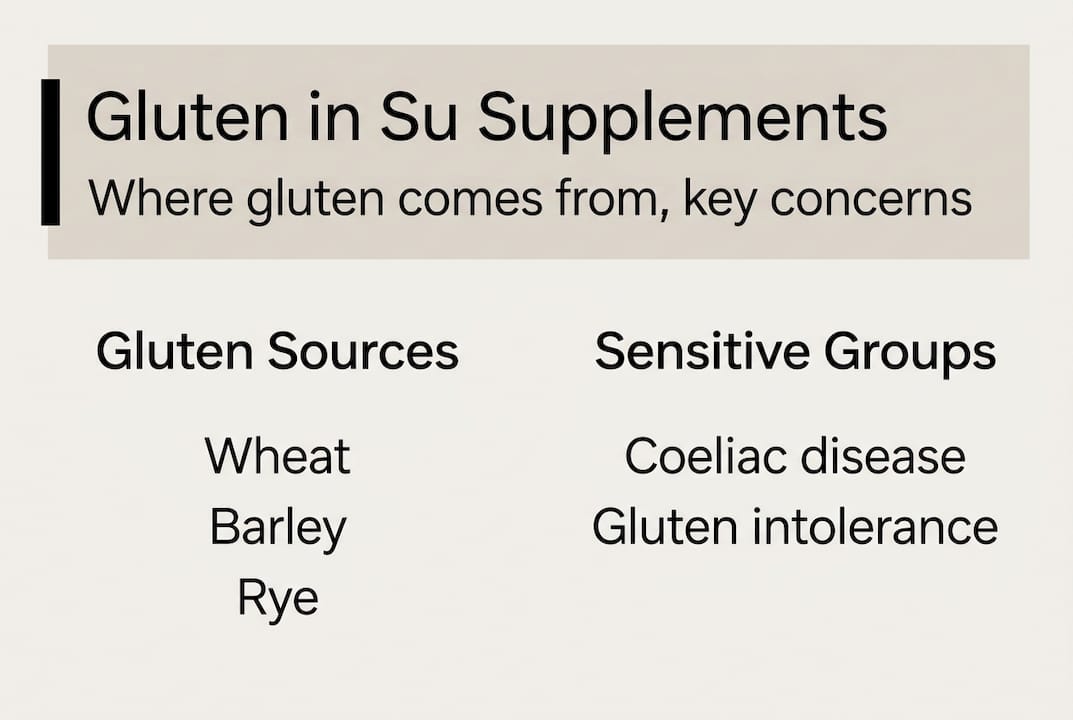
Pro tip: When reading supplement labels, watch for botanical ingredient names that indicate gluten-containing grains. Terms like Triticum vulgare (wheat), Hordeum vulgare (barley), or Secale cereale (rye) signal potential gluten presence, even when the word “gluten” doesn’t appear on the label.
How gluten may appear in supplements and risks for sensitive groups
Supplements can contain gluten through both intentional formulation choices and unintentional contamination. Manufacturers sometimes use wheat-based fillers to add bulk, barley malt for flavour enhancement, or rye derivatives as binding agents. These ingredients reduce production costs and improve product texture, but they introduce gluten into otherwise clean formulations.

Cross-contamination and ingredient sourcing create significant gluten risks in supplements, particularly for sensitive individuals. Manufacturing facilities that process multiple product lines may inadvertently transfer gluten particles between batches. Shared equipment, airborne flour particles, and inadequate cleaning protocols all contribute to contamination risks that compromise product safety.
Collagen supplements present unique considerations compared to other nutritional products. Pure collagen protein, derived from animal sources like bovine hide or marine fish, contains no gluten naturally. However, flavoured collagen products often incorporate additives that may introduce gluten. Chocolate flavourings might use malt, fruit blends could contain grain-based carriers, and texture enhancers sometimes rely on wheat derivatives.
For people with coeliac disease, consuming gluten triggers an autoimmune response that damages the small intestine lining. This damage impairs nutrient absorption, leading to deficiencies in iron, calcium, and vitamins. Non-coeliac gluten sensitivity produces similar symptoms, including bloating, fatigue, and joint pain, without the autoimmune component. Athletes and fitness enthusiasts may experience reduced performance, delayed recovery, and compromised muscle building when gluten exposure occurs.
UK and EU regulations require manufacturers to declare gluten-containing ingredients on supplement labels. Products labelled “gluten-free” must contain less than 20 parts per million (ppm) of gluten, a threshold established to protect individuals with coeliac disease. However, this standard allows for trace amounts that may still affect highly sensitive individuals.
Common gluten contamination sources in supplements include:
- Manufacturing equipment shared with gluten-containing products
- Raw material suppliers who process both gluten-free and gluten-containing ingredients
- Packaging materials that previously held gluten-containing products
- Quality control processes that fail to test for gluten presence
Pro tip: Select supplements bearing third-party gluten-free certification from organisations like Coeliac UK or the Gluten-Free Certification Organisation. These certifications require rigorous testing and facility inspections, providing assurance beyond standard manufacturer claims.
Comparing gluten-free and gluten-containing supplements: what to look for
Gluten-free supplements distinguish themselves through careful ingredient selection, dedicated manufacturing processes, and rigorous testing protocols. These products use alternative fillers like rice flour or tapioca starch, employ natural flavourings free from malt derivatives, and undergo batch testing to verify gluten absence. Transparent labelling and certification help verify gluten-free claims on supplements.
Identifying gluten on supplement labels requires vigilance, as manufacturers use various terms that may not immediately signal gluten presence. Beyond obvious wheat, barley, and rye listings, watch for:
- Malt flavouring or malt extract
- Modified food starch (unless specified as corn or potato-based)
- Hydrolysed vegetable protein
- Natural flavourings (which may contain grain-derived components)
- Dextrin (unless specified as corn dextrin)
| Feature | Gluten-free supplements | Gluten-containing supplements |
|---|---|---|
| Ingredient sourcing | Verified gluten-free raw materials with documented testing | May use grain-derived fillers and flavourings without gluten testing |
| Manufacturing | Dedicated gluten-free facilities or thorough cleaning protocols | Shared equipment with gluten-containing products |
| Testing | Batch testing to verify <20 ppm gluten | No routine gluten testing unless specifically marketed as gluten-free |
| Certification | Third-party verification available | Typically no gluten-specific certification |
| Cost | Often slightly higher due to specialised sourcing and testing | Generally lower production costs |
| Suitability | Safe for coeliac disease and gluten sensitivity | Unsuitable for individuals requiring gluten avoidance |
| Label clarity | Clear gluten-free claims with certification logos | May lack specific gluten information |
When shopping for collagen or nutritional supplements, look for these label indicators to confirm gluten-free status:
- Explicit “gluten-free” statement on the front label
- Third-party certification logos from recognised gluten-free organisations
- Ingredient lists free from wheat, barley, rye, and their derivatives
- Manufacturing statements indicating dedicated gluten-free facilities
- Batch testing information or certificates of analysis available upon request
- Allergen declarations that specifically address gluten absence
Skin and joint health products benefit from gluten-free formulations not only for safety but also for optimal absorption. Inflammatory responses triggered by gluten in sensitive individuals can compromise nutrient uptake, reducing the effectiveness of supplements designed to support tissue repair and collagen synthesis.
Practical tips for choosing gluten-safe supplements and maintaining health
Selecting gluten-free supplements safely requires a systematic approach that goes beyond reading front-label claims. Follow these steps to ensure your supplements align with your dietary needs:
- Research manufacturer practices by visiting company websites and reviewing their quality control processes, looking specifically for gluten testing protocols and facility certifications.
- Verify third-party certification by checking for logos from Coeliac UK, the Gluten-Free Certification Organisation, or Informed Sport, which tests for both banned substances and common allergens.
- Read ingredient lists thoroughly, scanning for hidden gluten sources and questioning any unfamiliar terms by contacting manufacturers directly.
- Request certificates of analysis for specific batches, which detail testing results and confirm gluten levels below safe thresholds.
- Start with small quantities when trying new supplements, monitoring your body’s response before committing to full-size purchases.
- Maintain a supplement diary tracking products used and any symptoms experienced, helping identify problematic formulations quickly.
Athletes and health-focused individuals should monitor physical responses when introducing new supplements, as gluten sensitivity symptoms can mimic other conditions. Watch for digestive changes, unexplained fatigue, joint stiffness, or skin reactions within 24 to 72 hours of consumption. These signs may indicate gluten exposure, even from supplements you assumed were safe.
Consulting healthcare providers before introducing new supplements proves especially important if you suspect gluten sensitivity but lack a formal diagnosis. A gastroenterologist can perform tests for coeliac disease, which requires gluten consumption for accurate results. Eliminating gluten before testing may produce false negatives, delaying proper diagnosis and treatment.
Choosing the right gluten-free supplement supports absorption and health without risk to sensitive individuals. Combining gluten-free collagen with strategic timing and complementary nutrients enhances effectiveness. Vitamin C improves collagen synthesis, whilst consuming supplements with meals containing healthy fats can improve absorption of fat-soluble vitamins often included in comprehensive formulations.
For those managing nutritional supplements for gluten intolerance, maintaining strict avoidance remains crucial. Even trace amounts can trigger responses in highly sensitive individuals, making thorough verification essential. Building relationships with trusted brands that prioritise transparency and testing simplifies long-term supplement management.
Pro tip: Combine gluten-free collagen supplements with vitamin C-rich foods or beverages to maximise collagen synthesis. Taking your collagen protein with orange juice, berries, or a vitamin C supplement enhances your body’s ability to build new collagen fibres for skin elasticity and joint support.
Explore gluten-free collagen protein supplements at KUDU Nutrition
KUDU Nutrition specialises in gluten-free collagen protein supplements designed specifically for health-conscious consumers and athletes who demand both safety and effectiveness. Our liquid collagen protein sachets deliver high-quality collagen without gluten-containing ingredients or cross-contamination risks, supporting your skin health, joint function, and fitness recovery goals.
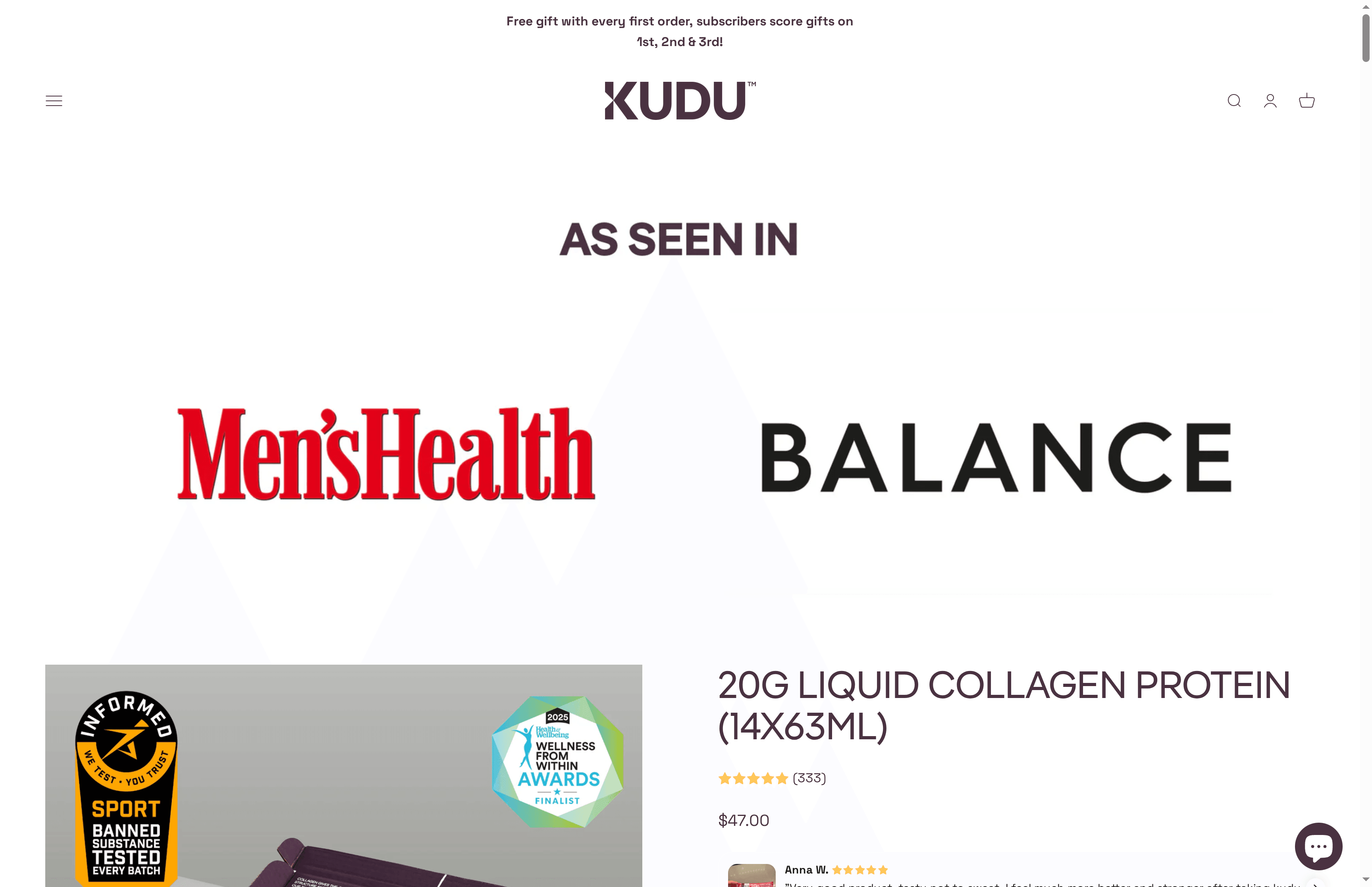
Every KUDU Nutrition product undergoes rigorous testing and carries Informed Sport certification, verifying both banned substance absence and allergen safety. Our 20g collagen protein gels provide convenient, portable nutrition that fits seamlessly into active lifestyles. The orange 20g liquid collagen protein offers refreshing flavour without artificial additives or gluten-derived ingredients, whilst our 20g collagen protein 14 pack provides excellent value for consistent supplementation. Explore our range to find gluten-free options that support your health objectives without compromising on taste or quality.
What is gluten in supplements? frequently asked questions
What grains contain gluten and why does it matter in supplements?
Wheat, barley, and rye contain gluten proteins that can trigger immune responses in people with coeliac disease or gluten sensitivity. These grains appear in supplements as fillers, flavourings, or through cross-contamination during manufacturing, making ingredient verification essential for safe supplementation.
Can collagen supplements contain gluten even if collagen itself is gluten-free?
Pure collagen protein derived from animal sources contains no gluten naturally. However, flavoured collagen products may incorporate gluten-containing additives like malt flavouring, grain-based sweeteners, or wheat-derived fillers, introducing gluten into otherwise clean formulations.
How to verify if a supplement is truly gluten-free?
Look for third-party certification from organisations like Coeliac UK or the Gluten-Free Certification Organisation, which require testing below 20 ppm gluten. Request certificates of analysis from manufacturers, read ingredient lists carefully for hidden gluten sources, and choose brands that use dedicated gluten-free facilities.
Who should avoid gluten in supplements and why?
People with coeliac disease must avoid all gluten to prevent intestinal damage and nutrient malabsorption. Those with non-coeliac gluten sensitivity benefit from avoidance to reduce symptoms like bloating, fatigue, and joint pain. Some athletes also eliminate gluten to optimise recovery and reduce inflammation.
Does gluten affect protein absorption in collagen supplements?
For gluten-sensitive individuals, consuming gluten triggers inflammation that can impair nutrient absorption throughout the digestive system. This inflammatory response may reduce the effectiveness of collagen supplements by compromising the body’s ability to absorb and utilise amino acids for tissue repair and synthesis.