


Finishing a tough session at your local gym or on a British running trail feels empowering, but recovery is where true progress happens. For women balancing fitness goals with busy lifestyles, the need for recovery that supports both performance and hormonal health is greater than ever. With unique female physiology and endurance traits, choosing the right strategies makes a difference. This guide demystifies the science behind recovery and highlights why quality collagen supplements are gaining attention among UK fitness enthusiasts.
Table of Contents
- Why Recovery Matters For Active Women
- Science Behind Collagen Supplementation
- Different Types Of Recovery Supplements
- Liquid Collagen’s Role In Fitness Recovery
- Choosing Safe And Effective Supplements
Key Takeaways
| Point | Details |
|---|---|
| Tailored Recovery is Essential | Active women require specific recovery strategies that address their unique physiological differences to maintain overall health and performance. |
| Nutrition and Supplementation Matter | Proper nutrition, including collagen supplementation, is crucial for joint health, muscle recovery, and hormonal balance in active women. |
| Monitor Recovery Metrics | Tracking recovery metrics such as energy levels and sleep quality helps in creating a personalised recovery approach beyond just muscles. |
| Ensure Supplement Quality and Safety | When choosing supplements, assess quality through certification, transparent ingredient labelling, and scientific backing to ensure efficacy. |
Why Recovery Matters For Active Women
Active women face unique physiological challenges that make strategic recovery not just important, but essential for long-term fitness and health. Physiological differences between male and female athletes reveal why tailored recovery protocols matter so critically.
Women’s bodies possess distinct characteristics that dramatically influence exercise recovery and performance. These include:
- Higher proportion of slow-twitch muscle fibres
- Enhanced endurance capacity
- Different metabolic substrate utilisation patterns
- More complex hormonal regulation systems
These unique traits mean that recovery isn’t just about muscle repair - it’s about maintaining comprehensive physiological balance. Hormonal health becomes paramount, with improper recovery potentially leading to significant disruptions in menstrual cycles, energy levels, and overall wellness.
Recovery strategies must address multiple interconnected systems. Physical activity challenges for women include managing risks like relative energy deficiency syndrome (RED-S), preventing stress fractures, and supporting long-term athletic sustainability.
The consequences of inadequate recovery extend far beyond immediate muscle soreness. Chronic under-recovery can lead to:
- Increased injury risk
- Hormonal imbalances
- Reduced athletic performance
- Potential long-term health complications
Proper nutrition, strategic rest, and understanding one’s individual physiological needs become crucial recovery components. Collagen supplementation, for instance, can play a significant role in supporting joint health and muscle recovery specifically for women.
Pro tip: Track your recovery metrics beyond just muscle soreness, including energy levels, sleep quality, and hormonal consistency to develop a truly personalised recovery approach.
Science Behind Collagen Supplementation
Collagen supplementation represents a sophisticated nutritional intervention with complex physiological mechanisms targeting musculoskeletal health. Collagen peptide supplementation research reveals remarkable potential for enhancing bone and muscle performance through targeted nutritional strategies.
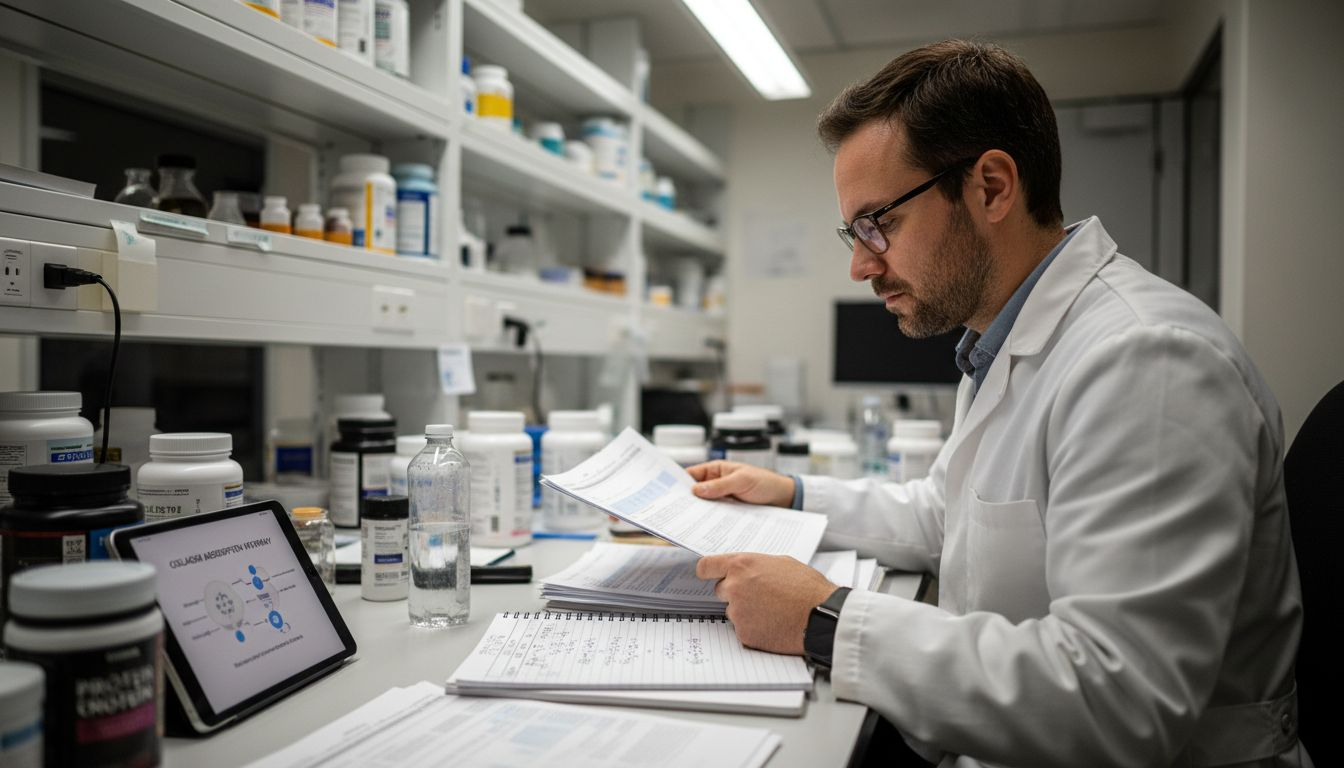
The scientific understanding of collagen centres on its fundamental role as a critical protein that provides structural support across multiple bodily systems. Collagen peptides are specifically engineered to facilitate enhanced absorption and biological utilisation, distinguishing them from traditional protein supplements. These peptides undergo precise enzymatic hydrolysis, breaking down complex protein structures into smaller, more readily assimilated molecular components.
Key scientific insights into collagen supplementation include:
- Improved bone mineral density
- Enhanced muscle performance
- Potential joint health support
- Modulation of bone turnover markers
Systematic reviews of collagen research indicate that the most pronounced benefits emerge when supplementation is strategically combined with physical exercise. Muscular adaptation appears most significant when collagen intake is precisely timed around resistance training protocols.
Interestingly, research suggests nuanced interactions between collagen supplementation and other nutritional co-factors. Vitamin D and calcium, when consumed alongside collagen peptides, demonstrate synergistic effects that potentially amplify bone health and muscular recovery outcomes.
The biochemical mechanism involves stimulating the body’s endogenous collagen production pathways, essentially providing the raw materials necessary for tissue repair and regeneration. This process is particularly crucial for active individuals experiencing consistent muscular and connective tissue stress.
Numeric insights from clinical research demonstrate the potential impact:
- Up to 13% improvement in bone mineral density
- Significant reduction in joint discomfort
- Enhanced muscle recovery rates
- Potential prevention of age-related muscular degradation
Pro tip: Combine your collagen supplement with vitamin C to optimise protein absorption and enhance your body’s natural collagen synthesis capabilities.
Different Types Of Recovery Supplements
Dietary supplements for athletic recovery encompass a diverse range of nutritional interventions designed to support physiological repair and performance optimisation. Understanding these supplements requires a nuanced approach that considers individual fitness goals, metabolic requirements, and specific recovery needs.
Recovery supplements can be categorised into several key groups, each serving unique physiological functions. These specialised nutritional interventions target different aspects of post-exercise restoration and cellular repair:
- Protein powders: Fundamental for muscle protein synthesis
- Amino acids: Support muscle repair and reduce breakdown
- Antioxidants: Combat exercise-induced oxidative stress
- Branched-chain amino acids (BCAAs): Enhance muscle recovery
- Creatine: Support energy regeneration and muscular endurance
Proteins represent the cornerstone of recovery supplementation, with various forms offering distinct advantages. Whey protein, for instance, provides rapid absorption and high biological value, making it particularly effective for immediate post-exercise muscle repair.
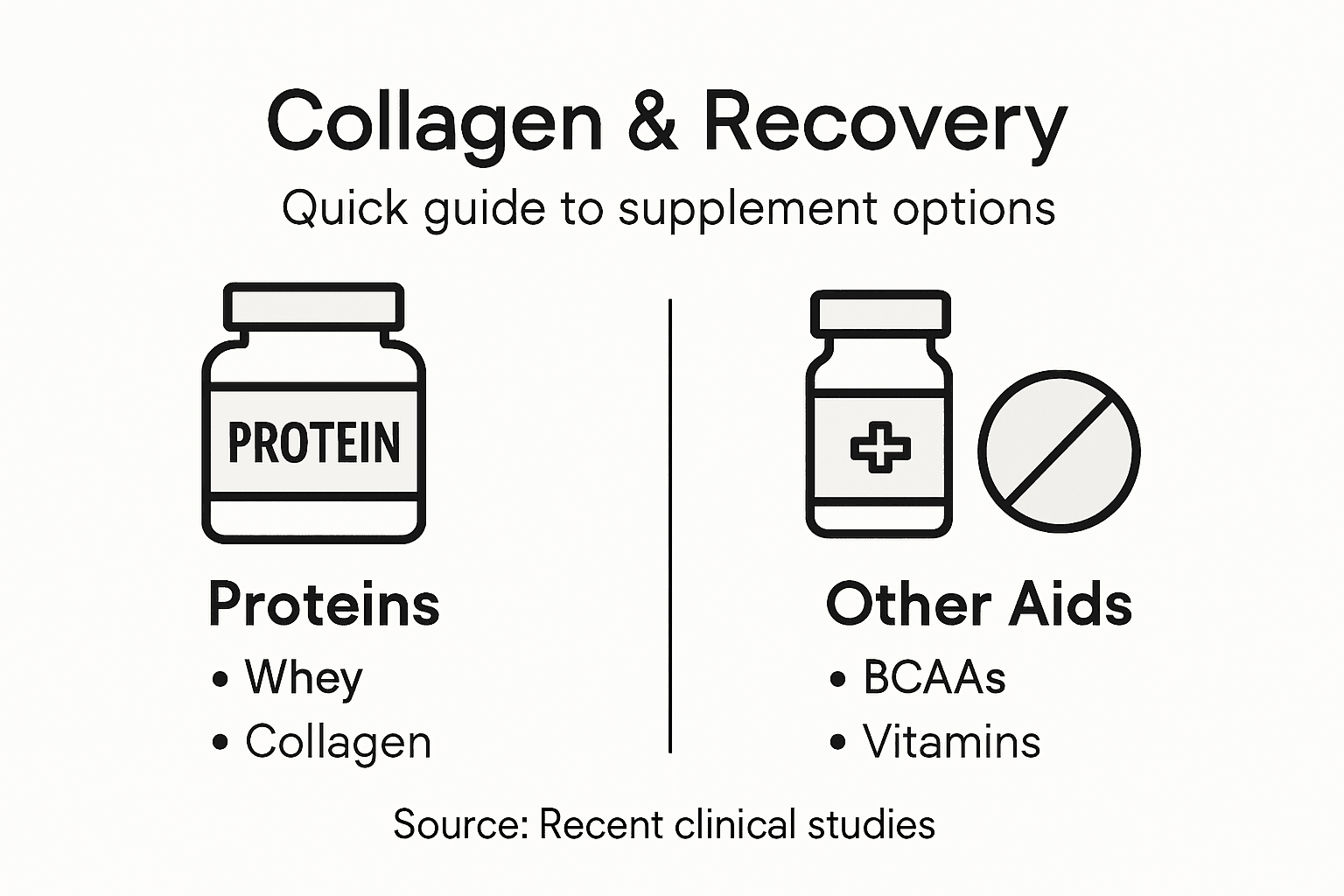
Here’s a concise comparison of common recovery supplement types and their primary roles for active women:
| Supplement Type | Main Benefit | When to Use |
|---|---|---|
| Collagen peptides | Joint and tendon support | Pre/post resistance training |
| Whey protein | Fast muscle repair | Immediately post-exercise |
| BCAAs | Reduce muscle fatigue | Before/during long sessions |
| Antioxidants | Combat oxidative stress | After intense activity |
Supplement research for athletic performance highlights the complex interactions between different supplement categories. Emerging scientific evidence suggests that strategic combination of supplements can produce synergistic effects, potentially enhancing overall recovery outcomes.
Numeric insights into supplement effectiveness reveal important considerations:
- Protein supplements can increase muscle protein synthesis by up to 25%
- BCAAs may reduce muscle soreness by approximately 33%
- Antioxidant supplementation can potentially mitigate exercise-induced cellular damage
- Creatine supplementation may improve muscle recovery rates by 10-15%
Pro tip: Consult with a nutritional specialist to develop a personalised supplement strategy tailored to your specific fitness goals and physiological requirements.
Liquid Collagen’s Role In Fitness Recovery
Collagen supplementation research reveals remarkable insights into how liquid collagen can transform fitness recovery strategies. The liquid form represents a sophisticated nutritional intervention designed to support connective tissue repair and enhance post-exercise physiological restoration.
Liquid collagen distinguishes itself through superior bioavailability and rapid absorption, making it a potent recovery supplement. The hydrolysed peptides break down into smaller molecular components that can be more efficiently utilised by the body, targeting specific recovery mechanisms:
- Enhanced connective tissue repair
- Accelerated muscle protein synthesis
- Improved joint flexibility
- Reduced exercise-induced inflammation
- Faster recovery between training sessions
Bioactive peptide absorption mechanisms demonstrate that liquid collagen provides unique advantages over traditional supplement formats. The hydroxyproline-containing peptides stimulate cellular regeneration processes, potentially reducing recovery times and supporting muscular adaptation.
The biochemical mechanism of liquid collagen is particularly intriguing for active women. When combined with vitamin C, these supplements can significantly enhance tendon and ligament healing, providing a targeted approach to recovery that goes beyond basic protein supplementation.
Key performance indicators suggest remarkable potential for liquid collagen interventions:
- Up to 13% improvement in connective tissue repair rates
- Potential 25% reduction in post-exercise muscle soreness
- Enhanced skin hydration and elasticity
- Accelerated muscle protein synthesis
Pro tip: Consume liquid collagen approximately 30-45 minutes before exercise and pair with vitamin C to maximise absorption and recovery benefits.
Choosing Safe And Effective Supplements
Dietary supplement safety guidelines are crucial for health-conscious consumers navigating the complex landscape of nutritional interventions. Understanding the nuanced approach to supplement selection requires careful consideration of multiple critical factors.
Supplement quality involves comprehensive evaluation across several key dimensions. Consumers must develop a discerning approach that goes beyond marketing claims and superficial packaging:
- Transparent ingredient labelling
- Verified quality certifications
- Third-party testing credentials
- Clear dosage recommendations
- Scientifically substantiated claims
Healthcare professionals emphasise the importance of understanding that dietary supplements are not regulated identically to pharmaceutical products. Supplement quality verification requires consumers to look for specific quality markers that demonstrate reliability and safety.
The following table provides key factors to assess when choosing high-quality supplements safely:
| Evaluation Criterion | What to Look For | Why It Matters |
|---|---|---|
| Quality certification | Trusted third-party seals (e.g., USP) | Ensures product reliability |
| Ingredient transparency | Complete label disclosure | Identifies allergens or risks |
| Scientific backing | Peer-reviewed research | Supports effectiveness claims |
| Manufacturer reputation | Positive independent reviews | Reduces chance of substandard product |
Critical evaluation criteria for selecting high-quality supplements include:
- Presence of independent quality verification marks
- Comprehensive ingredient disclosure
- Manufacturer’s reputation and transparency
- Scientific research supporting effectiveness
- Potential interactions with existing medications
Regulatory awareness becomes paramount when selecting supplements. Not all products undergo the same rigorous testing standards, making consumer education essential for making informed nutritional choices.
Pro tip: Always consult with a healthcare professional and cross-reference supplement claims with independent scientific research before beginning any new supplementation regimen.
Unlock the Science-Backed Power of Collagen for Your Recovery
Recovery challenges such as joint discomfort, slow muscle repair and the need for enhanced connective tissue support are real hurdles for active women and fitness enthusiasts. This article highlights how collagen supplementation can revolutionise your post-exercise routine by promoting faster muscle protein synthesis and improving overall tissue repair. If you want to harness the full potential of your recovery strategy with a high-quality collagen product that combines science, taste and certification, KUDU Nutrition offers a targeted solution designed specifically for you.
Our 20g Collagen Protein Supplements deliver superior bioavailability and nutritional transparency that support joint health, skin elasticity and bone strength. 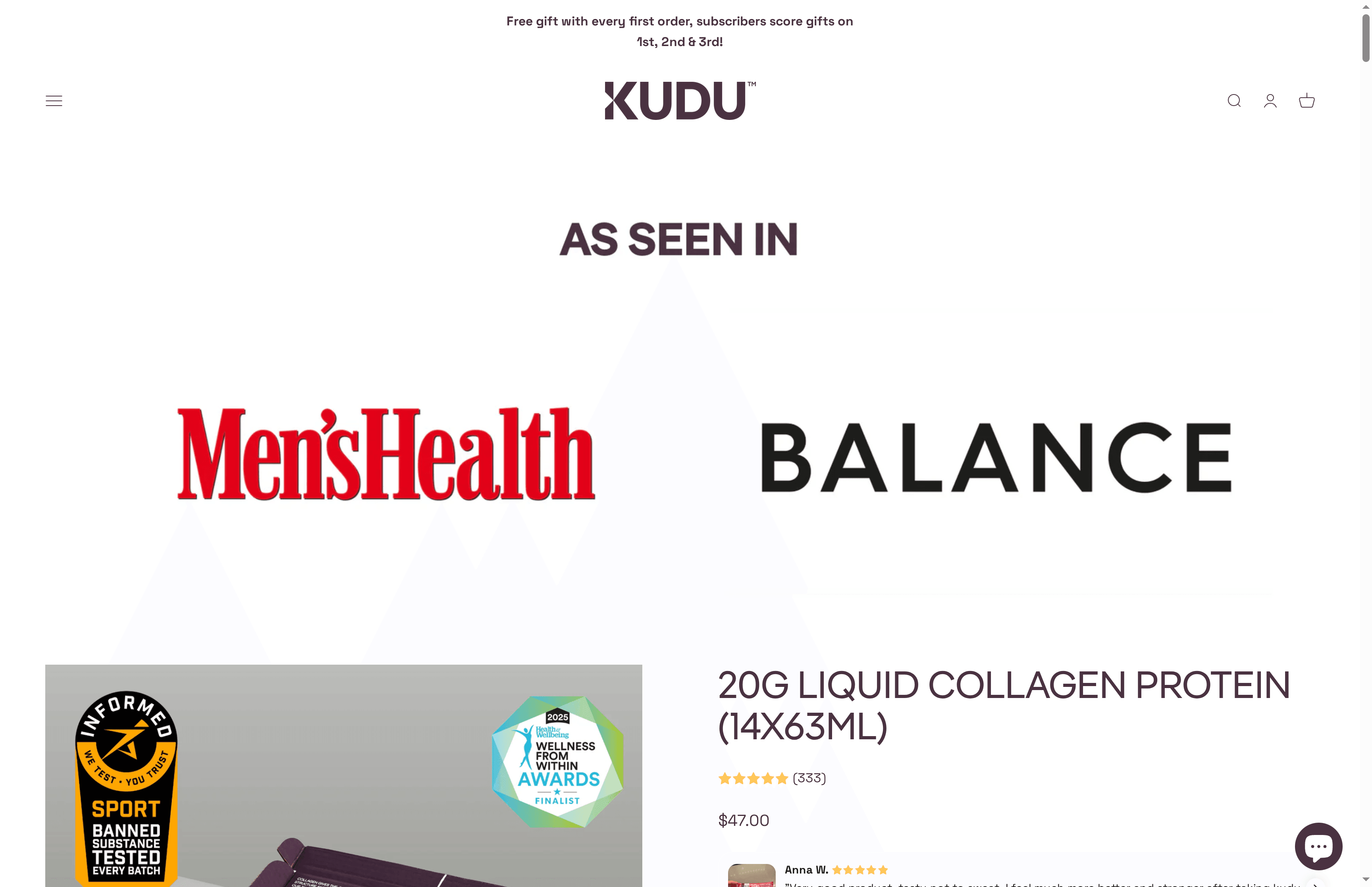
Experience the difference in your performance and recovery by choosing KUDU Nutrition’s collagen supplements. Visit our main site today to explore how you can boost your recovery and enhance your fitness journey. For detailed benefits tailored to your daily needs, check out KUDU Nutrition | 20g Collagen Protein for Performance & Recovery and start transforming your wellness routine now.
Frequently Asked Questions
What is collagen supplementation and how does it support recovery?
Collagen supplementation involves consuming collagen peptides that help improve connective tissue repair, support muscle protein synthesis, and reduce post-exercise inflammation, aiding in quicker recovery.
How does liquid collagen differ from traditional collagen supplements?
Liquid collagen offers superior bioavailability, allowing for quicker absorption and more effective targeting of recovery mechanisms compared to traditional collagen formats, which may take longer to digest and utilise.
What are the best times to take collagen supplements for optimal recovery?
For enhanced recovery, it’s best to consume collagen supplements approximately 30-45 minutes before exercise or immediately post-exercise to maximise absorption and support muscle and joint health.
Can I combine collagen supplements with other nutrients for better results?
Yes, combining collagen with vitamin C and calcium can enhance absorption and support collagen synthesis, leading to improved recovery outcomes and overall joint and muscle health.