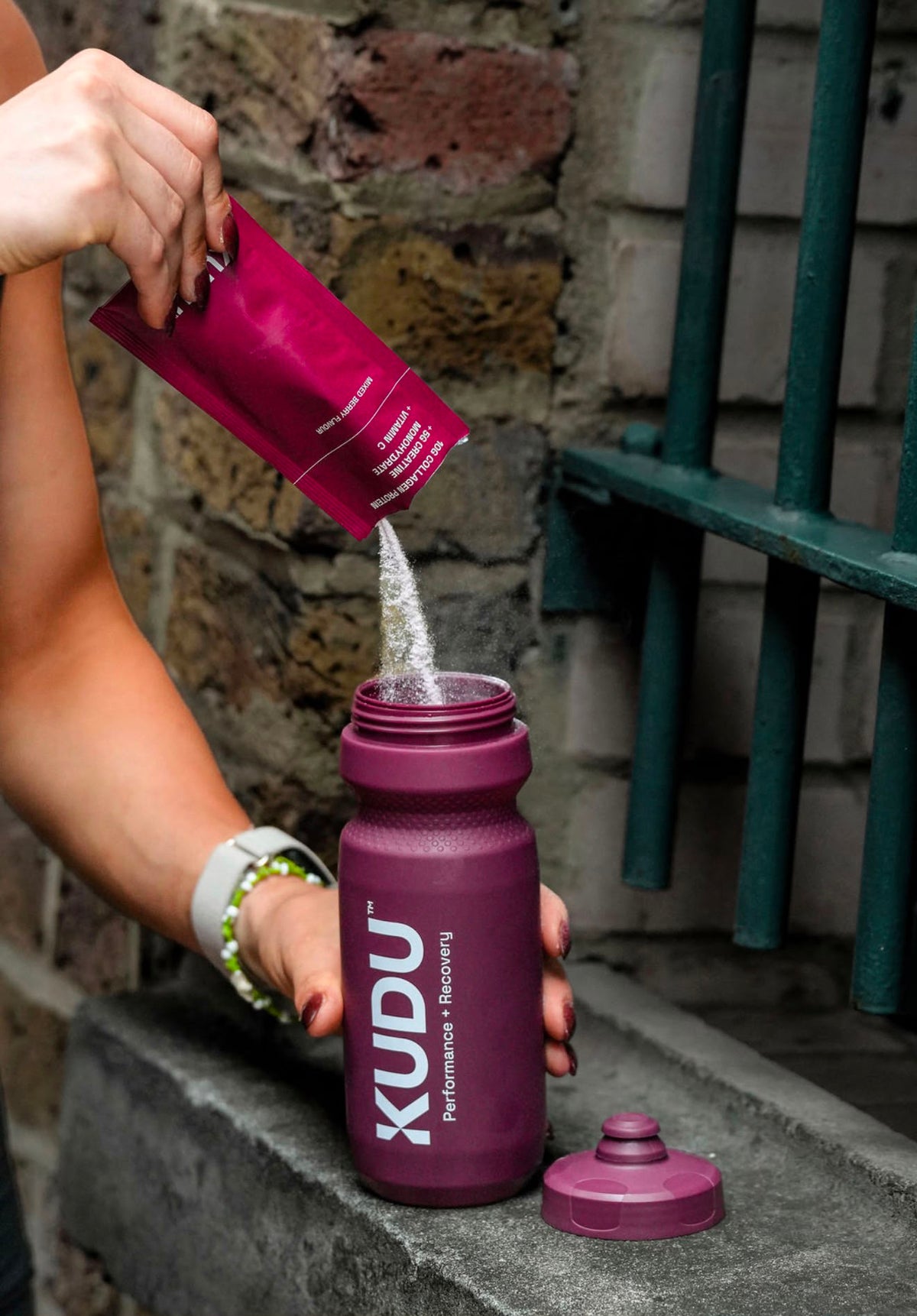

daily supplement guide 2025

Your daily supplement guide for better skin, joints, and wellness

Person preparing supplement drink in bright kitchen


TL;DR:

  • Supplements should complement a balanced diet, addressing specific deficiencies identified through testing.
  • Evidence supports collagen peptides, UC-II collagen, and curcumin for effective skin and joint health.
  • Consistent, properly timed supplement use over 4 to 12 weeks yields noticeable improvements.

Sorting genuine science from marketing noise is harder than it should be. The supplement aisle is crowded, the claims are bold, and most people end up buying based on a social media recommendation rather than evidence. Yet the right daily supplements, chosen thoughtfully and used consistently, can deliver real improvements in skin elasticity, joint comfort, and overall vitality. This guide cuts through the confusion. You will find clear, practical, science-backed advice on what to take, how much, and when, so that every product you invest in is genuinely working for your body.

Table of Contents

Key Takeaways

Point Details
Test and target Don’t guess—identify your own needs before adding new supplements.
Collagen leads for skin and joints Collagen and curcumin show the strongest scientific support for real improvements.
Daily consistency matters Supplements only work when taken regularly and as recommended.
Mind your timing Combining supplements correctly and taking them at optimal times boosts results.

Understanding the essentials: food, testing, and supplement needs

Before you spend a penny on supplements, it pays to understand what your body actually needs. The most common mistake health-conscious people make is reaching for a product before addressing what is already on their plate. Supplements are exactly what the name suggests: additions to a solid dietary foundation, not replacements for one.

A food-first approach is the starting point every expert agrees on. Whole foods deliver vitamins, minerals, and phytonutrients in combinations that are difficult to replicate in a capsule. Oily fish, leafy greens, colourful vegetables, legumes, and quality protein sources cover a wide spectrum of needs. Where diet falls short, targeted supplementation becomes worthwhile.

The next step is identifying real deficiencies rather than guessing. Vitamin D deficiency, for instance, affects a significant proportion of people in the UK, particularly during autumn and winter when sun exposure is insufficient. Collagen production also declines naturally with age, typically accelerating after your late twenties. These are needs grounded in physiology, not trends.

Here is a simple checklist to work through before starting any supplement regime:

  • Audit your current diet honestly, looking for consistent gaps in protein, healthy fats, and micronutrients
  • Book a blood test to check vitamin D, B12, ferritin, and any other markers relevant to your health history
  • Speak to a GP or registered dietitian before adding multiple supplements simultaneously
  • Identify specific goals: skin quality, joint support, fitness recovery, or general immunity
  • Research one supplement at a time rather than overhauling everything at once

Understanding collagen and holistic health is especially important here because collagen sits at the intersection of skin, joint, and bone wellness. It is not a single-benefit nutrient.

Common deficiency Who is most at risk Food sources Supplement form
Vitamin D People in northern climates, office workers, darker skin tones Oily fish, egg yolks, fortified foods D3 softgels or drops
Collagen Adults over 25, athletes, post-menopausal women Bone broth, skin-on fish, egg whites Hydrolysed peptides, UC-II
Magnesium High-stress individuals, heavy exercisers Dark chocolate, nuts, seeds, leafy greens Glycinate or citrate
Omega-3 People with low oily fish intake Salmon, mackerel, sardines Fish oil or algae oil

Pro Tip: If a blood test is not immediately available, start with vitamin D during winter and a quality collagen supplement. Both address near-universal needs for active adults in the UK.

Key supplements for skin and joint health: what the science shows

Once you have established what your body needs, selecting evidence-backed supplements becomes straightforward. Three stand out clearly for skin and joint health: hydrolysed collagen peptides, UC-II collagen, and curcumin. Vitamin D supports the whole framework.

Hydrolysed collagen and UC-II collagen have the strongest evidence base of any supplement category for skin and joint outcomes. Collagen peptides improve skin elasticity, hydration, and joint pain in osteoarthritis, with multiple meta-analyses now confirming these findings across thousands of participants. This is not preliminary data; it is a consistent body of clinical research.

Man studying collagen supplement bottle at home

The difference between the two collagen forms matters. Hydrolysed collagen (also called collagen peptides) is broken into small fragments your gut absorbs readily, then circulates to the skin and connective tissue where it stimulates your own collagen synthesis. UC-II is undenatured type II collagen, which works differently through an immune-tolerance mechanism to reduce cartilage inflammation. Both are effective, but they serve slightly different purposes.

Typical clinical doses are 40 mg per day for UC-II and 2.5 to 15 g per day for hydrolysed collagen. Most high-quality products, including KUDU Nutrition’s liquid sachets, deliver 20 g of collagen protein per serving, sitting comfortably within the effective range.

Here is a ranked list of the top evidence-backed supplements for skin and joint health:

  1. Hydrolysed collagen peptides for skin elasticity, moisture retention, and connective tissue support
  2. UC-II collagen for knee and joint comfort, particularly for those with osteoarthritis or high-impact sport loads
  3. Curcumin (from turmeric) for anti-inflammatory joint support and skin-protective antioxidant activity
  4. Vitamin D3 for bone density, immune function, and its indirect support of joint health

Understanding collagen for fitness and skin health gives you a fuller picture of how these benefits interact for active individuals specifically.

Supplement Primary benefit Evidence quality Typical dose
Hydrolysed collagen Skin elasticity, wound repair Strong (multiple RCTs) 2.5 to 15 g/day
UC-II collagen Joint pain, mobility Strong (meta-analyses) 40 mg/day
Curcumin Inflammation, antioxidant Moderate to strong 500 mg twice daily
Vitamin D3 Bone, immune, mood Very strong 1,000 to 2,000 IU/day
Omega-3 Joint lubrication, cardiovascular Strong 1 to 3 g EPA/DHA per day

The different collagen types and their benefits are worth studying if you want to match your choice to a specific goal, whether that is firmer skin, stronger tendons, or reduced joint stiffness. And for those newer to supplementation, why collagen matters provides a solid foundation before committing to a product.

Statistic to note: Clinical trials on hydrolysed collagen consistently show improvements in skin hydration and elasticity after 8 to 12 weeks of daily use, with joint pain benefits observed from 3 months of consistent supplementation.

Pro Tip: If budget is a constraint, prioritise a high-dose collagen supplement over multiple lower-quality products. One well-dosed sachet delivering 20 g of hydrolysed collagen protein is far more effective than five different supplements each at a fraction of their effective dose.

How to structure your supplement routine: timing, combinations, and synergy

Knowing which supplements to take is only half the picture. When and how you take them determines how well your body actually uses them.

Infographic illustrating daily supplement timing

Collagen is best taken on an empty stomach or with a small vitamin C source. Vitamin C is a co-factor in collagen synthesis, meaning your body needs it to convert collagen peptides into usable structural protein. Many people take their collagen sachet first thing in the morning or around 30 minutes before exercise, both timing strategies supported by practical experience and emerging research in sport nutrition.

Vitamin D3 is fat-soluble, so it must be taken alongside a meal containing healthy fats. Breakfast with eggs, avocado, or full-fat yoghurt is ideal. Taking it on an empty stomach significantly reduces absorption. Pair it with vitamin K2, which directs calcium to bones rather than arteries, for a more complete approach to bone health.

Curcumin notoriously has poor bioavailability on its own. Pairing it with piperine, curcumin absorbs up to 20 times more effectively. The recommended dose is 500 mg twice daily, ideally with meals. Many quality curcumin products include piperine (black pepper extract) in the formulation itself.

Here is a simple daily routine framework that incorporates the key supplements:

  1. Morning, fasted or with water: Collagen sachet (20 g) with a squeeze of lemon or alongside a vitamin C supplement
  2. Breakfast: Vitamin D3 (1,000 to 2,000 IU) with a fat-containing meal; vitamin K2 if included in your plan
  3. Lunch or dinner: Curcumin 500 mg with food; omega-3 fish oil with the larger fat-containing meal of the day
  4. Post-exercise: If you train in the afternoon, consider a second collagen serving or an additional protein source to support tissue repair

Safe combinations to build on:

  • Collagen and vitamin C: highly synergistic
  • Vitamin D3 and K2: complementary for bone and cardiovascular health
  • Curcumin and piperine: dramatically improves curcumin uptake
  • Omega-3 and curcumin: both anti-inflammatory, can be taken together

Combinations to approach with caution:

  • High-dose omega-3 alongside blood-thinning medications: consult your GP
  • Iron supplements taken at the same time as calcium or vitamin D: absorption interference
  • Multiple fat-soluble vitamins (A, D, E, K) in megadoses simultaneously: risk of accumulation

“The right supplement taken at the wrong time, in the wrong combination, or without dietary context will always underperform. Routine design matters as much as product quality.”

Developing collagen-boosting lifestyle habits alongside your supplement plan amplifies results considerably. Sleep quality, hydration, and sun protection for your skin all feed into the same system. And for those focused on performance, understanding collagen bioactivity advice explains the mechanisms behind optimal timing around exercise.

Common mistakes and troubleshooting: what to avoid and how to adjust

Even a well-structured routine can run into obstacles. The good news is that most problems are predictable and easy to fix once you know what to look for.

The most common mistakes people make:

  • Taking supplements inconsistently: skipping days or weeks breaks the cumulative effect that makes collagen and curcumin work
  • Overdosing in the belief that more is faster: doubling your collagen dose does not double your results, but it does double your spending
  • Starting too many supplements at once: if something causes a reaction or simply does not seem to work, you will not know which product is responsible
  • Ignoring diet: supplementing while eating a heavily processed diet with poor protein intake significantly limits what any supplement can achieve
  • Expecting overnight results: skin and joint changes are structural. They take time

How long should you actually wait?

This is where many people abandon a genuinely effective routine too early. Consistent use over 4 to 12 weeks is needed before meaningful changes in skin or joint comfort become noticeable. Individual factors including age, lifestyle, baseline collagen levels, and exercise habits all influence the timeline. A 35-year-old active woman recovering from a ligament injury will notice joint improvements at a different rate than a 55-year-old man starting a new fitness routine.

Tracking your progress makes a real difference. Take photos of your skin every four weeks under consistent lighting. Keep a brief note of joint stiffness on waking, rated out of ten. Log your energy and recovery after exercise. These simple records give you objective data rather than a vague sense of “does this feel different?”

Pro Tip: Set a 12-week review point when you start any new supplement. At that point, assess your tracking notes honestly. If no change is evident, consider adjusting the dose, changing the product form, or consulting a health professional before abandoning the category entirely.

When to seek professional guidance:

  • If joint pain worsens rather than improving after 8 weeks
  • If skin concerns are significant or involve inflammatory conditions like eczema or psoriasis
  • If you have a diagnosed condition that could interact with supplement use
  • If blood test results indicate a deficiency that dietary change and standard supplementation are not resolving

Exploring collagen protein for recovery is useful if your primary driver is post-exercise repair rather than cosmetic improvement. For those still in the research phase, the collagen supplement buyer’s guide covers what to look for in terms of sourcing, certification, and formulation quality. Athletes specifically may find that collagen for faster recovery resonates with their performance goals.

Here is something the wellness industry rarely says out loud: a generic supplement list almost never delivers generic results. What works brilliantly for one person may be irrelevant for another, depending on their diet, genetics, activity level, and starting point.

We see this constantly. Someone follows an identical routine to a friend and gets dramatically different results. The reason is not that supplements are ineffective. It is that the friend had a specific deficiency, a lifestyle that supported absorption, and a consistent habit built over months. The other person had none of those conditions in place.

The supplement market profits from urgency, from making you feel that this year’s collagen product or adaptogen blend is the thing you have been missing. In reality, the path to better skin, more comfortable joints, and genuine daily energy is quieter and less dramatic. It is built through collagen recovery guide principles, not impulse purchases.

Our honest view: choose three supplements maximum, use them consistently for three months, and build the lifestyle habits that make them work. Then review, adjust, and refine. That approach beats chasing every new launch every time.

Take the next step: science-backed collagen for your daily routine

You now have a clear framework: start with food, identify genuine needs, choose evidence-backed supplements, time them correctly, and give your body the weeks it needs to respond. The final piece is choosing a product that is actually worth your trust.

https://kudunutrition.com/products/20g-collagen-protein-14-pack

KUDU Nutrition’s 20g collagen gels are formulated to deliver a clinically relevant dose of hydrolysed collagen in every single sachet, with Informed Sport certification for quality assurance. If you are ready to commit to a structured collagen routine, the collagen protein 14 pack gives you a full two-week foundation to start tracking real results. For a broader look at how collagen supports skin, joints, and beauty goals, visit the collagen and beauty info page and explore what the right formula can do for your specific goals.

Frequently asked questions

How long does it take for supplements like collagen to work?

Most people need 4 to 12 weeks of consistent daily use before noticing meaningful changes in skin texture or joint comfort, so commit fully before evaluating.

Is vitamin D necessary if I am often outdoors?

If you spend adequate time outdoors in direct sunlight during summer, you may produce sufficient vitamin D, but NHS guidance recommends 10 mcg (400 IU) daily from October to March for all adults in the UK, and year-round for higher-risk groups.

What is the safest way to start a supplement routine?

Always prioritise dietary gaps first, test for known deficiencies where possible, and introduce one supplement at a time so you can clearly assess its effect before adding another.

Can collagen help with sports recovery?

Yes. Regular collagen supplementation supports joint and tissue repair after exercise-related strain, and taking collagen around training sessions may further enhance connective tissue recovery based on current sport nutrition research.

Reading next

Woman preparing protein shake post-workout
Woman opening collagen supplements in kitchen