

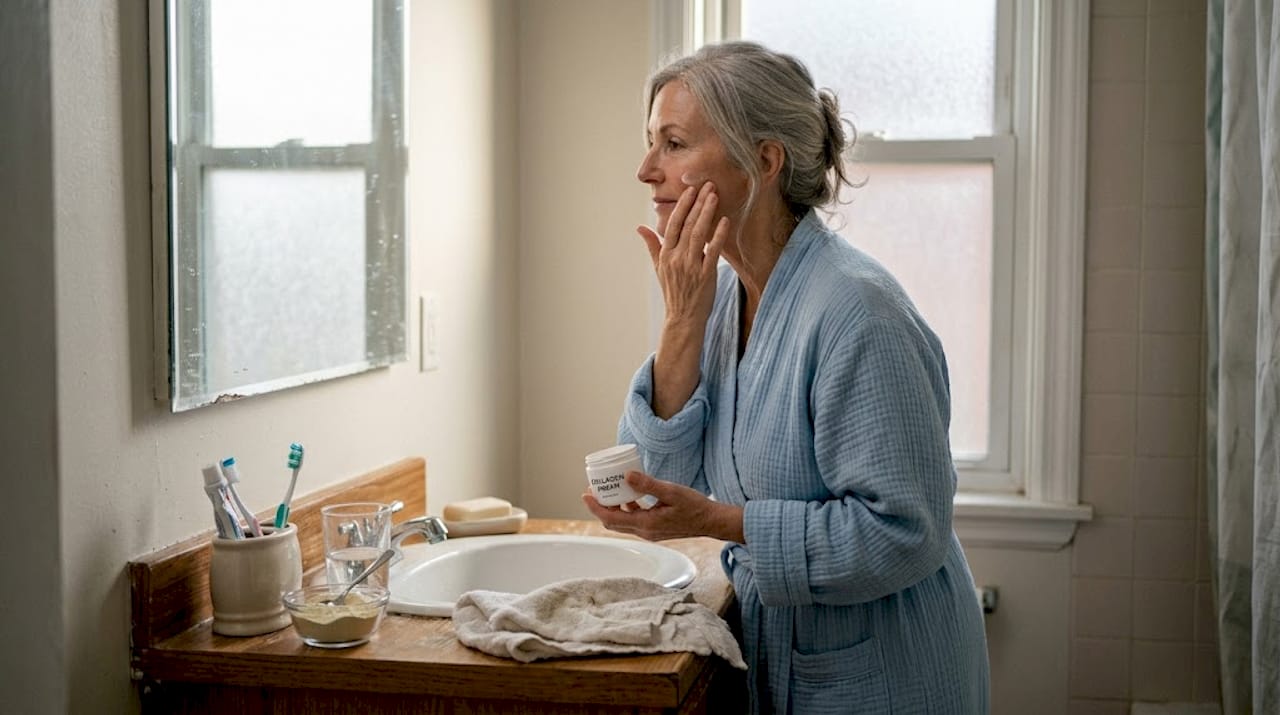
Does protein help ageing skin? Yes. Protein supplies the amino acids your skin uses to rebuild collagen and elastin, and clinical studies show hydrolysed collagen peptides can measurably improve skin elasticity and hydration within 8–12 weeks. Here’s exactly how it works, and how much you need each day.
TL;DR:
- Dietary protein supplies amino acids necessary for collagen synthesis and skin health support.
- Collagen peptides actively signal fibroblasts to increase collagen and elastin production.
- Consistent intake of collagen peptides over 8 to 12 weeks can improve skin elasticity, hydration, and thickness.
How protein boosts ageing skin: key benefits and strategies
Ageing skin is not simply a cosmetic concern. For many adults over 50, increasing laxity, persistent dryness, and deepening wrinkles can feel frustrating, especially when advice about nutrition pulls in different directions. Some experts say eat more protein. Others champion collagen supplements specifically. Marketing claims muddy the waters further. What does the science actually say about how protein, and collagen peptides in particular, supports ageing skin? This article cuts through the confusion, offering a clear, evidence-based picture so you can make genuinely informed choices about your nutrition and supplementation.
Table of Contents
- The science behind protein and skin ageing
- Key benefits: How protein supports ageing skin
- Collagen peptides vs general protein: What works best?
- How to get results: Dosage, best practices, and maximising effects
- A realistic look: The nuance behind protein, collagen, and skin ageing
- Find your ideal protein or collagen solution
- Frequently asked questions
Key Takeaways
| Point | Details |
|---|---|
| Collagen peptides work best | Targeted collagen peptides deliver the most notable improvements in skin elasticity and hydration for ageing skin. |
| Protein intake is crucial | A higher-protein diet supports overall tissue health and helps maintain youthful skin structure. |
| Results require consistency | Visible changes in elasticity and hydration usually take 8-12 weeks of regular, evidence-based supplement use. |
| Evidence quality varies | Benefits are strongest in industry-funded or lower-quality studies, so prioritise reputable supplements and habits. |
How a KUDU shot compares to other collagen formats
Most collagen products give you a fraction of the dose the studies used, and make you mix it yourself. Here is how the common UK formats stack up on the numbers that matter.
| KUDU liquid shot | Collagen powder | Beauty collagen shots | Tablets / capsules | |
|---|---|---|---|---|
| Collagen per serving | 20,000mg | 5,000–10,000mg per scoop | typically 5,000–10,000mg | 500–1,000mg per tablet |
| Preparation | Ready to drink, two sips | Scoop, mix, shake | Ready to drink | 10–20 pills for a 10g dose |
| Sugar | 0g | Varies (often flavoured) | Often 2–5g | 0g |
| Calories | 85 kcal | ~40 kcal per 10g | 30–60 kcal | Negligible |
| Batch-tested for sport | Informed Sport certified | Some brands | Rarely | Rarely |
| Cost per 1,000mg collagen | 12.5p (one-time price) | UK average ~34p across formats | Usually the most expensive per mg | High per mg |
Powder, beauty-shot and tablet columns describe typical mainstream UK products; ranges are indicative. KUDU figures are per 63g sachet. The 34p UK average is KUDU's own comparison of 15 UK brands' listed one-time prices, shown on the 14-pack product page.
The science behind protein and skin ageing
Your skin is roughly 70% collagen by dry weight. That figure matters because collagen is the primary structural protein responsible for keeping skin firm, smooth, and resilient. Alongside collagen, elastin fibres give skin its ability to spring back after being stretched or pressed. Together, they form the scaffolding that keeps your face looking youthful and your skin feeling supple.
Here is the uncomfortable reality of ageing: collagen production begins declining in your mid-20s at roughly 1% per year. By the time you reach your 50s or 60s, that cumulative loss is significant. Fibroblasts, the cells responsible for manufacturing collagen and elastin, become slower and less responsive. Hormonal shifts, particularly the drop in oestrogen during and after menopause, accelerate this process further. Sun exposure, smoking, and chronic inflammation pile on additional damage.
So where does dietary protein fit in? There are two distinct mechanisms worth understanding.
First, general dietary protein provides the raw amino acid building blocks that your body needs to synthesise collagen and other structural proteins. Glycine, proline, and hydroxyproline are the key amino acids in collagen, and general dietary protein supports collagen production by supplying these precursors consistently. Without adequate protein in your diet, your body simply lacks the materials to maintain skin structures.
Second, and arguably more potent for targeted skin outcomes, collagen peptides work differently. When hydrolysed collagen is consumed, it is absorbed as small di and tripeptides that travel through the bloodstream to the dermis. There, collagen peptides signal fibroblasts to increase collagen and elastin synthesis actively. This is not passive nutrition. It is a signalling process. Understanding protein and skin health at this level helps explain why the form of protein you consume can make a meaningful difference.
Key insight: Eating a high-protein diet supports skin from the outside in by ensuring raw materials are available. Collagen peptides go a step further by actively triggering skin repair and renewal from within.
Here is a quick summary of what protein does for ageing skin:
- Supplies amino acids (glycine, proline) needed for collagen synthesis
- Collagen peptides stimulate fibroblast activity directly
- Supports skin hydration through improved extracellular matrix structure
- May reduce oxidative stress in skin cells, slowing damage accumulation
- Helps preserve overall body composition, which indirectly supports skin appearance
For older adults, the general protein recommendation from most health authorities sits at around 0.8g per kilogram of body weight daily. However, many nutrition researchers now argue this figure is too low for people over 60, particularly those looking to support skin, muscle, and bone health simultaneously.
Pro Tip: Spread your protein intake evenly across three meals rather than loading it into one sitting. Older adults absorb and use dietary protein more efficiently when consumed in 25 to 30g portions per meal. This habit supports collagen synthesis throughout the day rather than in a single peak.
Exploring the full scope of collagen peptides benefits reveals how targeted supplementation sits alongside, not in place of, a protein-rich whole food diet.
Key benefits: How protein supports ageing skin
With the science outlined, here are the top skin benefits you can realistically expect from smart protein intake, backed by clinical evidence.
1. Improved skin elasticity This is the most consistently reported benefit in the research. Studies using collagen peptides at doses of 2.5 to 10g per day for 8 to 12 weeks improve elasticity by 10 to 40% compared to placebo, with the strongest results seen in postmenopausal women and those with photoaged skin.

2. Better skin hydration Collagen peptides appear to increase hyaluronic acid production in the dermis, which holds water within skin tissue. This translates to measurably improved moisture retention, leading to plumper, less crepey-looking skin over time.
3. Wrinkle reduction This benefit carries more caveats. Several trials do report reduced wrinkle depth after collagen peptide use. However, collagen peptides improve elasticity, hydration, and reduce wrinkles more prominently in industry-funded studies, so it is worth interpreting wrinkle claims with realistic expectations rather than expecting dramatic transformation.
4. Faster skin repair Some evidence points to improved wound healing and reduced recovery time from minor skin trauma, particularly relevant for older adults whose skin heals more slowly.
5. Improved skin thickness Thinning skin is a hallmark of ageing. Collagen supplementation may help restore dermal thickness, making skin less fragile and more resistant to bruising and tearing.
Here is how the evidence stacks up at a glance:
| Benefit | Evidence strength | Typical timeframe |
|---|---|---|
| Skin elasticity | Strong | 8 to 12 weeks |
| Skin hydration | Strong | 8 to 12 weeks |
| Wrinkle reduction | Moderate | 12 weeks |
| Skin thickness | Moderate | 12 weeks+ |
| Wound healing | Limited but promising | Variable |
Who sees the best results? Current evidence is clearest for women over 50, particularly those who are postmenopausal or who have experienced significant sun exposure over their lifetime. Both groups tend to show the largest improvements from protein-based interventions targeting skin elasticity and hydration.
Consistency is critical. Skin renewal is a slow biological process. You will not see meaningful changes in a fortnight. Building a realistic expectation of 8 to 12 weeks of consistent intake sets you up for success rather than disappointment. Exploring collagen protein supplements can help you identify which formats and formulations suit your lifestyle best.
Statistic callout: Women taking 2.5g of collagen peptides daily for just 8 weeks showed a statistically significant improvement in skin elasticity compared to a placebo group in multiple randomised controlled trials.
Collagen peptides vs general protein: What works best?
But does it matter which protein source you pick? Here is how the main options compare when the goal is healthier, firmer skin as you age.
General dietary protein, whether from chicken, fish, eggs, dairy, or plant sources, is absolutely essential for overall health. It maintains muscle mass, supports immune function, and provides amino acid precursors for collagen. However, general protein is still essential but shows targeted benefits less specifically for skin elasticity than collagen peptides do.
Why? Because when you eat a chicken breast, the protein is broken down into individual amino acids and distributed across every tissue in your body according to priority. Your skin does not jump to the front of the queue. Collagen peptides, by contrast, are pre-hydrolysed into small fragments that survive digestion and accumulate preferentially in skin tissue, where protein benefits skin primarily via collagen peptides through direct fibroblast signalling.
| Feature | Collagen peptides | General dietary protein |
|---|---|---|
| Skin-specific signalling | Yes, direct fibroblast activation | Indirect, via amino acid supply |
| Amino acid profile | Rich in glycine and proline | Broader spectrum, varies by source |
| Absorption form | Di/tripeptides reaching dermis | Individual amino acids, dispersed |
| Evidence for skin elasticity | Strong | Limited |
| Evidence for muscle preservation | Limited | Strong |
| Convenience | Easy to supplement | Requires dietary planning |
| Cost | Moderate to higher | Lower when from whole foods |
Here is what this means practically:
- Aim for a protein-rich whole food diet as your foundation, targeting 1.0 to 1.6g of protein per kilogram of body weight daily
- Add 2.5 to 15g of collagen peptides daily on top of this, not as a replacement
- Choose collagen peptide supplements that are hydrolysed (also labelled as hydrolysed collagen or collagen hydrolysate) for best absorption
- Look for independently certified products to ensure purity and accurate dosing
For a detailed collagen vs whey comparison, the differences in amino acid profile and use case are worth understanding if you already use protein supplements. A thorough collagen peptides guide can also help you choose the right type for skin-focused goals.
Pro Tip: If you follow a plant-based diet, collagen peptides themselves are animal-derived. However, ensuring adequate glycine and proline intake through varied plant protein sources, alongside vitamin C, still supports your body’s own collagen synthesis meaningfully.
How to get results: Dosage, best practices, and maximising effects
Once you have picked your strategy, here is how to get the most from your efforts.
Step-by-step approach to collagen and protein intake for skin:
- Set your daily protein target. For adults over 60, higher protein intake of 1.0 to 1.6g per kilogram per day is recommended to preserve muscle mass, reduce sarcopenia risk, and support overall tissue health, including skin.
- Add collagen peptides. Optimal intake is 2.5 to 15g of hydrolysed collagen peptides daily, combined with a vitamin C source to maximise collagen synthesis, since vitamin C is a critical cofactor in the process.
- Take it consistently. Set a daily routine. Morning is ideal for many people, added to a drink, yoghurt, or taken as a convenient liquid sachet. Irregular use produces irregular results.
- Allow adequate time. Commit to at least 8 weeks before evaluating results. Twelve weeks gives an even clearer picture.
Supporting habits that amplify results:
- Include vitamin C for collagen synthesis by eating citrus fruit, bell peppers, or kiwi alongside your supplementation
- Protect skin from UV damage daily, since sun exposure degrades collagen faster than almost any other factor
- Stay well hydrated. Water supports every aspect of skin health and helps the extracellular matrix function properly
- Prioritise sleep, since the majority of cellular repair, including collagen turnover, occurs overnight
- Limit smoking and excessive alcohol, both of which directly impair collagen synthesis and accelerate skin ageing
For a full step-by-step collagen intake routine, including how to build the habit effectively, and to discover broader collagen lifestyle habits that work synergistically with supplementation, consistency across all these areas produces results that supplementation alone cannot.
Pro Tip: Take your collagen supplement alongside a small glass of orange juice or a vitamin C-rich smoothie. This pairing actively supports the hydroxylation of proline and lysine, two steps that are essential for building stable collagen fibres in your skin.
A realistic look: The nuance behind protein, collagen, and skin ageing
Here is where we want to be genuinely honest with you. The research on collagen peptides is promising, but it is not without limitations. Industry-funded and lower-quality studies consistently show greater benefits than independent, high-quality trials, which sometimes show no statistically significant effects on key skin ageing parameters. This does not mean collagen supplementation does not work. It means the effect size may be more modest in real-world conditions than some marketing suggests.
The people most likely to notice genuine improvement are those who are currently protein-deficient or who have significant photoageing. If your diet is already high in quality protein and you protect your skin from the sun, the additional benefit from supplementation may be subtler.
No quick fixes exist, and consistent use over months matters far more than the brand on the label. Protein and collagen supplementation are one pillar of ageing well, not the entire structure. Combining supplementation with supporting lifestyle changes around sun protection, sleep, nutrition, and movement is where the real, lasting difference is made. Our view is simple: choose quality, be consistent, and hold realistic expectations.
Find your ideal protein or collagen solution
If you have found the evidence compelling and want to take a practical next step, KUDU Nutrition has options designed with quality and transparency in mind.

KUDU’s liquid collagen protein sachets deliver 20g of collagen protein per serving in a convenient, great-tasting format, independently certified to Informed Sport standards for purity and accurate dosing. For those focused on skin, beauty, and joint health, exploring the full range of collagen and beauty products shows how targeted nutrition can support your goals. If you prefer a ready-to-use format, the collagen protein gels are ideal. Every product reflects KUDU’s commitment to evidence-aligned, high-quality supplementation you can trust.
Frequently asked questions
Is general protein as effective as collagen for reducing wrinkles?
General protein is essential for overall skin health, but collagen peptides show more targeted benefits for elasticity and hydration specifically. Wrinkle reduction remains unproven in the highest-quality independent studies.
What is the optimal protein or collagen intake for older adults aiming for better skin?
Evidence supports 2.5 to 15g collagen peptides daily combined with 1.0 to 1.6g of total protein per kilogram of body weight, and higher total protein intake in older adults also helps preserve muscle and support overall tissue health including skin.
How long does it take to see visible changes in skin from protein intake?
Most studies report noticeable improvements in elasticity and hydration within 8 to 12 weeks of consistent collagen peptide use at appropriate doses.
Does the quality of collagen or protein supplement matter?
Yes, absolutely. Industry-funded and lower-quality studies tend to overestimate benefits, so choosing independently tested supplements with transparent labelling gives you the most reliable results.
Does protein help skin elasticity?
Yes. Randomised controlled trials on hydrolysed collagen peptides consistently report improved skin elasticity after 8–12 weeks of daily use. Collagen provides glycine, proline and hydroxyproline — the specific amino acids the dermis needs to rebuild its support structure. A convenient way to get a meaningful dose is a 20g liquid collagen shot taken once a day.
Does protein hydrate your skin?
Indirectly, yes. Skin hydration depends partly on hyaluronic acid and the collagen network that holds moisture in the dermis. Studies on collagen peptide supplementation report increases in skin moisture alongside elasticity, particularly in women over 40. Topical moisturisers treat the surface; protein supports hydration from within.
How much protein does ageing skin need per day?
Most research on skin benefits used 2.5g–20g of collagen peptides daily, with higher doses also contributing to muscle and joint maintenance — both of which decline alongside skin quality with age. See our full guide to how much collagen you can take per day.
Recommended
- Why Protein Matters for Skin Health and Beauty
- High-protein supplements for fitness, skin, and recovery
- Collagen habits: boost skin and joint health naturally
- Boosting skin elasticity: tips for women over 30 in 2026
More collagen guides
 20g per shot
Ready to try it?
20g Liquid Collagen Protein
4.7 from 495 reviews
- 20g hydrolysed bovine collagen per shot
- Ready to drink in two sips. 85 kcal, 0g sugar
- Informed Sport certified
Pick a flavour
£34.95 for 14
or £1.99 a shot on subscription
Free UK delivery over £50 · 60-day money-back guarantee · Pause or cancel any time