


TL;DR:
- Smart, portable nutrition supports energy, recovery, and joint health when nutrient quality is prioritized over timing. Combining protein, fiber, and electrolytes enhances satiety, performance, and hydration, especially during and after exercise. Effective on-the-go snacks and supplements should focus on nutrient density, with collagen playing a key role in long-term joint and skin support.
Grab-and-go nutrition has a reputation problem. Many health-conscious people assume that anything portable is automatically processed, sugar-laden, or nutritionally hollow. But why on-the-go nutrition deserves a serious rethink is exactly what the science shows: smart, portable food and supplement choices can prevent energy crashes, support muscle recovery, and even contribute to joint and skin health. The key is understanding which nutrients actually move the needle, and then building a portable routine around them. This guide gives you the evidence and the practical framework to do exactly that.
Table of Contents
- The role of on-the-go nutrition in managing energy and hunger
- Carbohydrate and electrolyte strategies for performance and recovery
- CHO drinks versus water: performance insights from endurance studies
- Choosing balanced on-the-go snacks: protein, fibre, and more
- Practical application: optimising your on-the-go nutrition for joint, skin, and recovery support
- Why conventional wisdom about on-the-go nutrition often misses the mark
- Discover convenient collagen protein supplements for on-the-go nutrition
- Frequently asked questions
The role of on-the-go nutrition in managing energy and hunger
The most common reason people make poor food choices during a busy day is not lack of willpower. It is hunger arriving at the wrong moment, when only vending machines or fast food are available. On-the-go nutrition solves this by keeping your body fuelled between meals, which means you are not arriving at dinner ravenous and reaching for whatever is closest.
The specific nutrients that make portable snacks effective are protein and fibre. Protein and fibre snacks improve satiety and reduce hunger return compared with carbohydrate-only options. This is not a minor difference. A handful of nuts or a collagen protein sachet taken mid-morning will keep hunger at bay for substantially longer than a cereal bar built on refined carbs and not much else.
Here is what well-chosen on-the-go snacks actually deliver:
- Sustained energy levels by preventing the glucose spike-and-crash cycle
- Reduced cravings for high-sugar or high-fat convenience foods
- Muscle and tissue support through protein and collagen amino acids
- Improved focus during demanding training sessions or long workdays
- Better nutrition tips for recovery when snacks are timed around activity
“The difference between a good snack and a bad one often comes down to whether protein and fibre are present. Without them, you are managing hunger reactively rather than proactively.”
Pro Tip: Pair a portable collagen protein sachet with a small handful of mixed nuts. You get protein, fibre, and healthy fats in under two minutes, with no preparation needed.
Building on why nutrition timing matters, let us now explore the nutrients that make on-the-go snacks effective for performance and recovery.
Carbohydrate and electrolyte strategies for performance and recovery
For fitness enthusiasts training regularly, the importance of quick snacks and supplements goes well beyond hunger management. What you consume around exercise directly affects performance output and how quickly your body repairs afterwards.
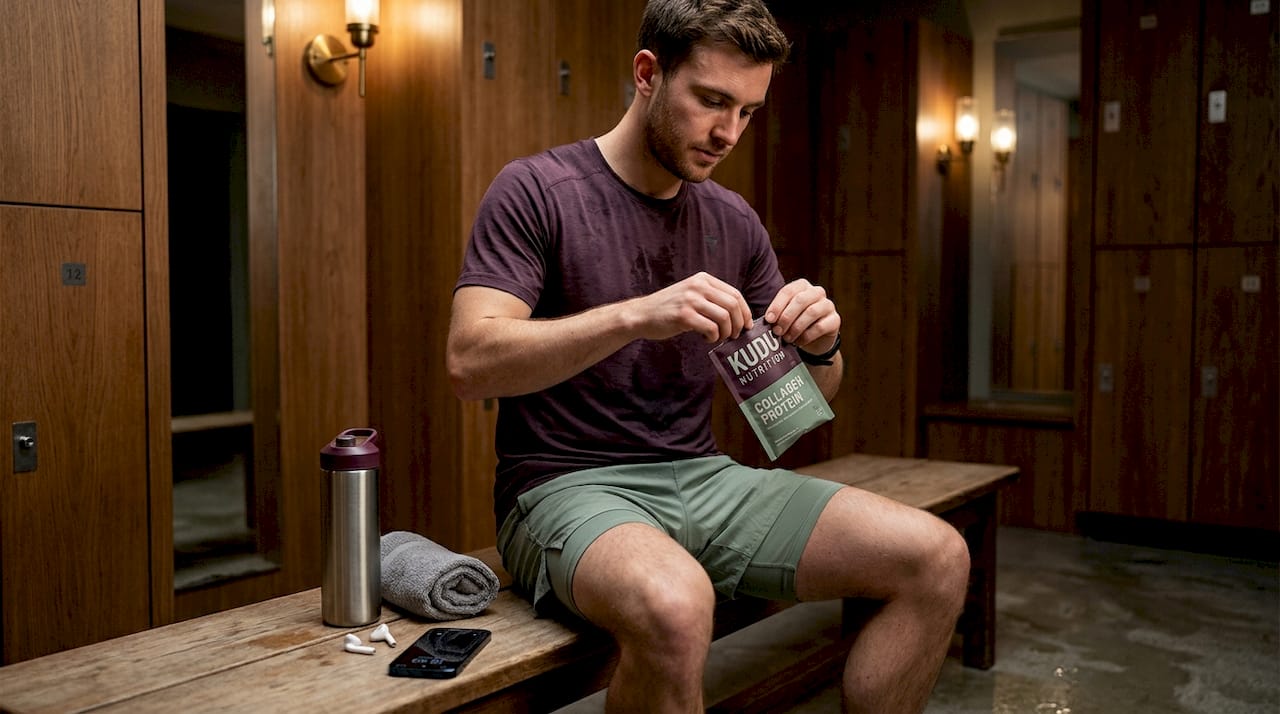
Carbohydrate-electrolyte supplementation improves athletic performance and delays fatigue during moderate to high-intensity exercise. This works because carbohydrates maintain blood glucose while electrolytes, particularly sodium, support neuromuscular function and fluid balance. When both are present, your body can sustain effort longer and avoid the neuromuscular breakdown that signals the end of a hard session.
The recovery window is also frequently misunderstood. Post-exercise protein and carbs consumed within 30 to 120 minutes improves recovery, and the commonly cited “20-minute anabolic window” is largely overstated. You have more flexibility than many athletes realise, which makes portable nutrition genuinely practical rather than time-pressured.
| Nutrient | Role during exercise | Role post-exercise |
|---|---|---|
| Carbohydrates | Maintain blood glucose and fuel working muscles | Replenish glycogen stores |
| Protein | Preserve muscle tissue | Stimulate muscle protein synthesis |
| Electrolytes (sodium) | Support fluid balance and nerve function | Aid rehydration and fluid retention |
| Collagen peptides | Provide amino acids for connective tissue | Support joint and tendon repair |
Key strategies for on-the-go post-workout nutrients and pre vs post-workout nutrition:
- Consume a carbohydrate and protein combination within two hours of finishing exercise
- Include sodium in your post-exercise snack if you have been sweating heavily
- Do not rely on water alone to rehydrate after intense sessions lasting over 60 minutes
- Portable collagen sachets are particularly useful for joint and tendon recovery when paired with a carbohydrate source
Pro Tip: A liquid collagen sachet taken with a banana post-run covers your protein and carbohydrate bases simultaneously. It takes ten seconds to prepare and fits in any gym bag.
CHO drinks versus water: performance insights from endurance studies
The practical case for carbohydrate-electrolyte drinks over plain water becomes clearest in endurance settings. One study directly compared the two during a 15-kilometre run in the heat, and the findings were unambiguous. CHO-E drinks improved the final 1.6 km time compared with water in that race-pace scenario. When it matters most, in the closing stages of a hard effort, hydration strategy makes a measurable difference.
Water alone cannot replace what sweat removes. Sodium is the primary electrolyte lost during exercise, and without replacing it, fluid absorbed from plain water moves through the system more quickly, reducing net hydration. This is why athletes often feel thirsty despite drinking adequately, and why performance dips late in sessions even when water intake seems sufficient.
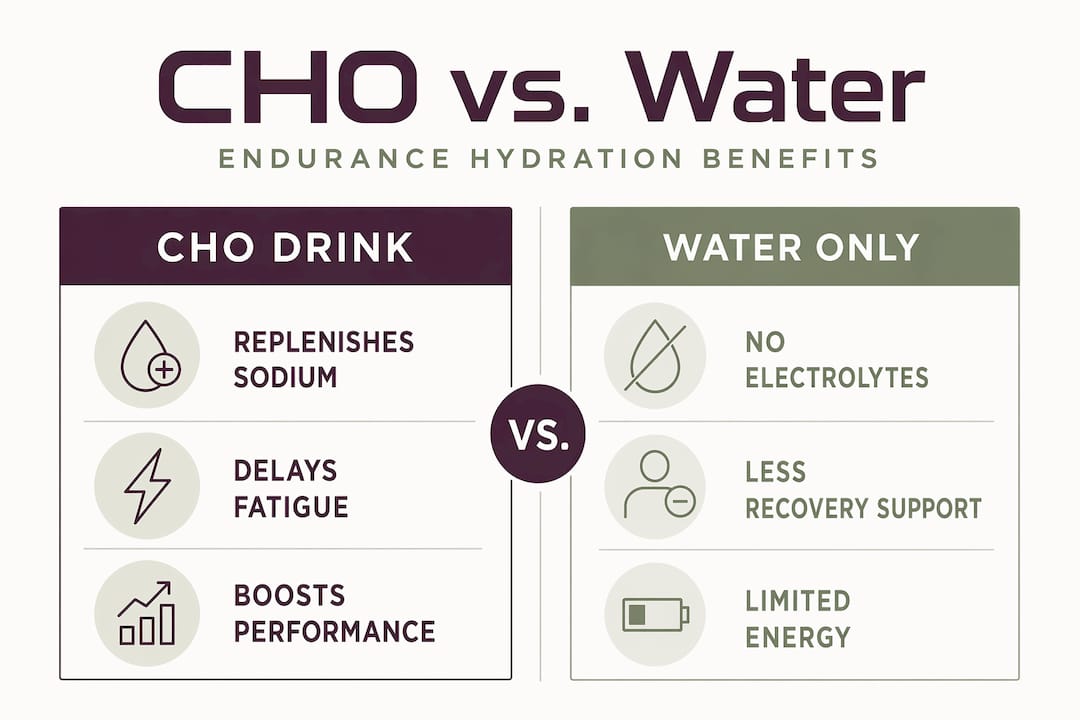
| Hydration source | Blood glucose maintenance | Sodium replacement | Endurance performance |
|---|---|---|---|
| Water | No | No | Baseline |
| CHO-E drink | Yes | Yes | Improved |
| Collagen sachet with water | Partial (via carbs if combined) | No (unless formulated) | Supported when combined |
Practical takeaways for workout recovery tips:
- Swap plain water for a carbohydrate-electrolyte drink during sessions exceeding 60 minutes
- In heat or high-humidity conditions, prioritise sodium replacement early, not just at the end
- Combining your hydration strategy with collagen protein creates a portable recovery system that addresses multiple physiological needs at once
Choosing balanced on-the-go snacks: protein, fibre, and more
Portability is table stakes. Every snack is technically portable if you put it in a bag. What actually matters is whether the nutritional profile supports your goals, and most portable snacks on the market fail this test.
Protein and fibre anchor satiation and reduce the risk of excessive total daily calorie intake. This is the foundation of a useful on-the-go snack. Without these two elements, you are essentially buying a temporary blood sugar rise that leaves you hungrier within the hour. Meanwhile, dietitians recommend granola bars containing at least 5 to 10 grams of protein and 3 grams of fibre as a minimum threshold for genuinely satiating snacks.
The best on-the-go food options for health-conscious athletes include:
- Mixed nuts and seeds (almonds, walnuts, pumpkin seeds): protein, fibre, and healthy fats in one hit
- Hard cheese or string cheese: high-quality protein, minimal preparation, good satiety
- Full-fat Greek yoghurt pouches: protein and probiotics, though requires refrigeration for longer outings
- Protein intake tips suggest targeting 20 to 30 grams per snack for meaningful muscle support
- Collagen post-workout guide for joint and skin-specific benefits alongside general recovery
- Collagen protein sachets: 20 grams of easily absorbed collagen protein, no mixing required beyond water
Pro Tip: When buying a protein bar, ignore the front-of-pack marketing and check the ingredients list. If sugar is listed before protein, put it back. The nutritional value of snacks that genuinely support recovery and satiety always leads with protein.
Practical application: optimising your on-the-go nutrition for joint, skin, and recovery support
Understanding the theory is one thing. Building a daily routine that actually fits around training, travel, and busy schedules is another. For fitness enthusiasts prioritising joint health, skin integrity, and recovery, collagen protein is the ingredient most commonly missing from portable nutrition plans.
Collagen supplements as part of post-workout nutrition support joint, skin, and recovery benefits in ways that standard whey protein does not. Collagen is rich in glycine, proline, and hydroxyproline, the amino acids that form the structural backbone of cartilage, tendons, and skin. Consuming it post-exercise, when blood flow to connective tissue is elevated, improves uptake and utilisation.
Here is how to build an effective on-the-go collagen nutrition routine:
- Consume collagen within two hours post-exercise alongside a carbohydrate source to support tissue repair and glycogen replenishment simultaneously
- Carry liquid collagen sachets in your gym bag or day bag so that timing is never compromised by inconvenience
- Pair collagen protein with an electrolyte source after long training sessions to address both structural recovery and fluid balance
- Use meal prep for busy lifestyles by pre-packing your sachets, snacks, and hydration for the week ahead
- Track your collagen fitness recovery progress over four to eight weeks. Joint comfort and skin quality changes are gradual but measurable
- Review protein timing for recovery to understand how collagen fits within your broader daily protein targets
Pro Tip: Most athletes already carry a water bottle. Add one collagen sachet alongside it each morning and your post-workout recovery plan is already half-sorted before you leave the house.
Why conventional wisdom about on-the-go nutrition often misses the mark
Here is the thing that most nutrition content will not tell you: the obsession with timing has become a distraction from quality. Entire communities of athletes stress about whether they consumed protein at 32 minutes versus 28 minutes post-exercise, while simultaneously reaching for a flavoured rice cake with 4 grams of protein and calling it recovery nutrition.
The anabolic window debate has been largely settled. You have a meaningful recovery period of up to two hours, not 20 minutes. What actually matters during that window is what you consume, not the precise minute you consume it. A 20-gram collagen protein sachet with a banana eaten 90 minutes post-run will outperform a technically “anabolic window”-timed dose of inferior protein at 18 minutes.
The second underappreciated issue is electrolytes. Most people know they should hydrate. Far fewer understand that plain water, consumed in isolation after a hard session, can actually dilute sodium concentration in the blood, creating a situation where you feel worse despite drinking more. Sodium is not optional for serious athletes. It is structural.
Finally, the framing of “calorie counting” as the primary lens for on-the-go eating leads people to systematically under-eat protein and over-eat refined carbohydrates, because carbohydrates are almost always the cheapest and most available portable option. Nutrient density, not calorie maths, should be the operating principle for anyone using food and supplements to support performance, recovery, and long-term physical health.
Discover convenient collagen protein supplements for on-the-go nutrition
Understanding the science is the first step. Having the right products ready when you need them is the second.
KUDU Nutrition’s collagen protein gels deliver 20 grams of high-quality collagen protein per sachet, making them one of the most practical options for post-exercise recovery on the go. Each sachet is Informed Sport certified, meaning every batch is tested for prohibited substances, which matters if you compete or simply want to know exactly what you are putting in your body. For those who prefer a daily liquid format, the liquid collagen protein 14-pack offers two weeks of convenient, consistent joint and skin support with no mixing, no mess, and no compromise on quality.
Frequently asked questions
Why is protein important in on-the-go snacks?
Protein in snacks increases fullness, delays hunger return, and supports muscle recovery, making your snack far more effective than a carbohydrate-only option at the same calorie count.
When should I consume protein and carbohydrates after exercise?
Consuming protein and carbohydrates within 30 to 120 minutes post-exercise optimises recovery and muscle repair. The often-cited 20-minute anabolic window is largely a myth, so you have more flexibility than you might think.
How do carbohydrate-electrolyte drinks improve athletic performance?
CHO-E supplementation maintains blood glucose and sodium levels during moderate to high-intensity exercise, which delays fatigue and extends time to exhaustion compared with water alone.
Are pure water and electrolyte drinks equally effective for endurance runs?
No. In a 15-kilometre run in the heat, CHO-E drinks improved the final 1.6 km time compared with water, highlighting that electrolyte drinks outperform water for hydration, neuromuscular support, and sustained performance.