

TL;DR:
- Bone health depends on nutrient synergy, with vitamins and minerals working together rather than in isolation. Critical pairs like vitamin D and K2 enhance calcium absorption and proper mineralization, supported by magnesium, zinc, protein, vitamin C, and other nutrients. A food-first approach, complemented by targeted supplements when necessary, promotes long-term bone resilience and reduces fracture risk.
Calcium gets all the attention when it comes to bone health, but it cannot build strong bones alone. Nutrient synergy for bone health is the concept that certain vitamins and minerals work together in ways that far outperform anything a single nutrient can achieve in isolation. Without the right co-factors in place, even generous calcium intake may do little to protect your skeleton long term. This article covers the key nutrient pairings and groups that science has confirmed as most effective, so you can take a targeted, evidence-based approach to protecting your bone density and reducing fracture risk.
Table of Contents
- Key takeaways
- Understanding nutrient synergy for bone health
- 1. Vitamin D and K2: the cornerstone pairing
- 2. Magnesium and zinc: the structural support duo
- 3. Protein and vitamin C: building the collagen framework
- 4. Calcium intake: rethinking the quantity approach
- 5. Boron, phosphorus, and B vitamins: the supporting cast
- My perspective on building real bone resilience
- How collagen supplements complement your bone nutrition plan
- FAQ
Key takeaways
| Point | Details |
|---|---|
| Calcium alone is insufficient | Bone strength requires a network of co-nutrients including vitamin D, K2, magnesium, and zinc to work effectively. |
| Vitamin D and K2 is the core pairing | Combined supplementation significantly increases total BMD and directs calcium into bone rather than arteries. |
| Collagen needs nutritional support | Protein and vitamin C are required to build and maintain the collagen matrix that gives bone its fracture-resistant flexibility. |
| Food-first beats high-dose supplements | Around 700 mg calcium daily from whole foods is safer and often more effective than relying on high-dose supplements alone. |
| Secondary nutrients matter too | Boron, B vitamins, zinc, and magnesium each play distinct roles that round out a complete bone nutrition strategy. |
Understanding nutrient synergy for bone health
Nutrient synergy describes what happens when two or more nutrients produce a combined effect greater than the sum of their individual contributions. In the context of bones, this matters enormously because skeletal tissue is not simply a calcium deposit. It is a dynamic, living structure that requires coordinated input from multiple vitamins and minerals to build, maintain, and repair itself.
Bioavailability is the starting point. A nutrient that is poorly absorbed offers little benefit regardless of dose. This is why the physiological context in which you consume bone health nutrients matters as much as the quantity. For example, vitamin D increases the expression of calcium-binding proteins in the intestinal lining, directly improving how much calcium you absorb from food. Remove vitamin D from the equation and calcium absorption drops substantially.
Beyond absorption, activation matters too. Vitamin K2 activates proteins like osteocalcin that are produced but remain dormant without it. Transport, conversion, and enzymatic cofactor roles all represent points where nutrient synergy either supports or limits skeletal health. When evaluating any nutrient for its role in bone health, the most useful criteria are:
- Impact on osteoblast activity (bone formation) versus osteoclast activity (bone breakdown)
- Contribution to collagen matrix integrity
- Role in mineralisation of the bone crystal lattice
- Effect on hormone metabolism and calcium distribution
- Systemic safety at realistic intake levels
Pro Tip: When reviewing your diet for bone health nutrients, think in networks rather than individual nutrients. Ask not just “am I getting enough calcium?” but “do I have the co-factors in place for that calcium to actually reach and stay in bone?”
1. Vitamin D and K2: the cornerstone pairing
Of all the nutrient combinations for bones, the vitamin D and K2 pairing is the most clinically validated. Their functions are distinct but complementary, and the evidence for their combined effect on bone mineral density is now compelling.
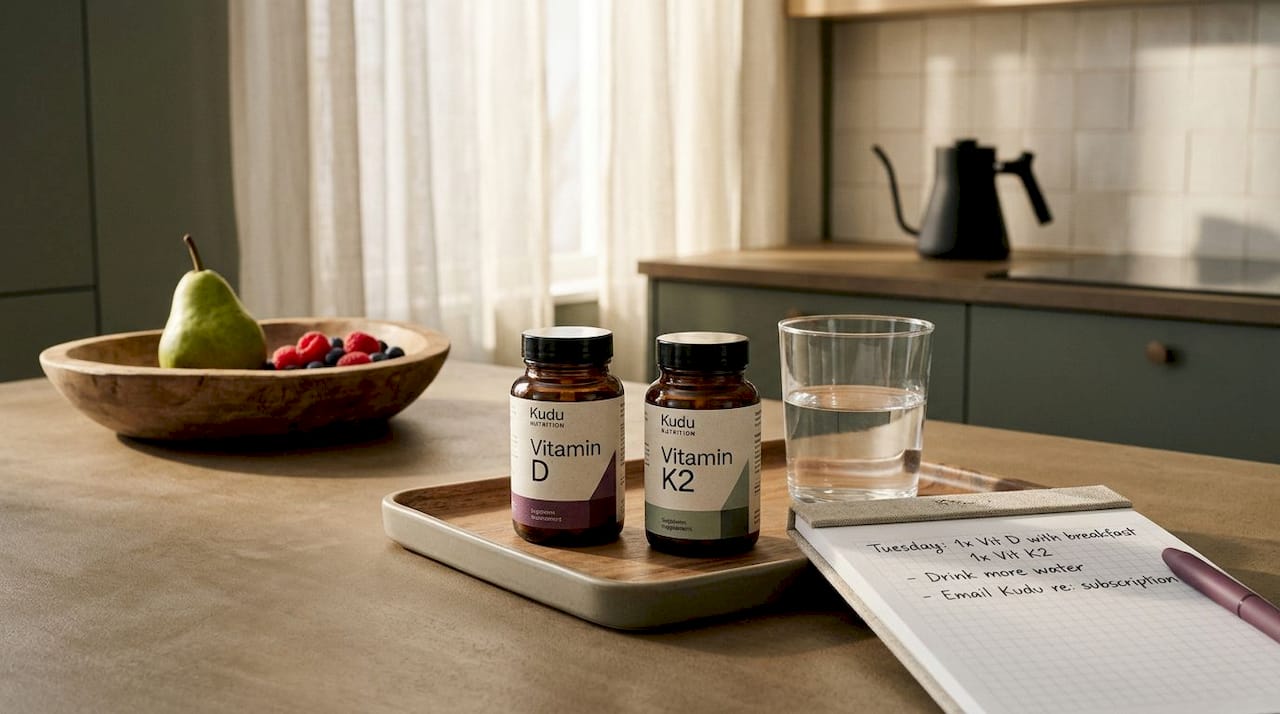
Vitamin D governs calcium absorption in the gut. Without adequate levels, your body can only passively absorb a fraction of the calcium from food. Beyond absorption, vitamin D also supports the muscle function necessary to prevent the falls that cause fractures in the first place.
Vitamin K2 picks up where vitamin D leaves off. It activates osteocalcin, the protein that binds calcium into bone matrix, and activates matrix Gla protein (MGP), which prevents calcium from depositing in soft tissues and arterial walls. Think of K2 as a traffic controller, directing calcium precisely where the body needs it. A meta-analysis of eight randomised controlled trials with 971 subjects confirmed that combined vitamin K and D supplementation significantly increased total BMD and decreased undercarboxylated osteocalcin, a marker of poor bone mineralisation.
Practical intake guidance for adults:
- Aim for 600 to 800 IU of vitamin D daily depending on age, per National Academy of Medicine guidance
- Pair vitamin D intake with vitamin K2 from fermented foods like natto or a dedicated K2 supplement (MK-7 form preferred)
- Food sources for vitamin D include oily fish, egg yolks, and fortified dairy products
- Vitamin D supplementation is most effective for bone density when calcium intake is already adequate, so address both simultaneously
“Bones are like a cake. Calcium is the flour. But a cake made of only flour is terrible. You need all the other ingredients to make it work.” UCLA Health
2. Magnesium and zinc: the structural support duo
Magnesium and zinc are often overlooked in discussions of vitamins for bone density, yet both play mechanistic roles in how bone forms and how long it holds up.
Magnesium is stored predominantly in bone tissue and contributes directly to the hydroxyapatite crystal lattice that gives bone its rigidity. Critically, magnesium is also required for converting vitamin D into its active hormonal form. Without adequate magnesium, your vitamin D supplement may circulate in an inactive state, leaving calcium absorption impaired regardless of dose.
Zinc’s contribution to minerals for bone strength operates through a different pathway. Zinc stimulates osteoblasts and simultaneously inhibits osteoclasts, which means it promotes bone formation while suppressing the breakdown process. It also supports the collagen matrix by acting as a cofactor in enzymes responsible for collagen cross-linking, which is what gives bone its ability to flex without fracturing.
Practical considerations for these two minerals:
- Magnesium-rich foods include dark leafy greens, almonds, pumpkin seeds, and dark chocolate
- Zinc is found in red meat, shellfish (oysters are particularly rich), legumes, and pumpkin seeds
- Both minerals compete for absorption when taken in high doses simultaneously, so food-based intake is preferable to stacking supplements at high doses
- Magnesium deficiency is widespread in Western diets and frequently goes undiagnosed
Pro Tip: If you supplement magnesium, magnesium glycinate or malate forms tend to be better tolerated and absorbed than magnesium oxide, which is the cheapest and most commonly sold form.
3. Protein and vitamin C: building the collagen framework
Bone is not simply mineral. Roughly 30% of bone tissue by weight is organic matrix, and the vast majority of that matrix is collagen. This is why protein and vitamin C deserve serious attention as bone health nutrients, particularly when it comes to reducing fracture risk and supporting repair after injury.
Dietary protein supplies the amino acids, particularly glycine, proline, and hydroxyproline, that form the backbone of collagen fibres. The protein and bone strength relationship is well documented, with adequate intake associated with improved bone mineral density and reduced fracture rates in older adults.
Vitamin C acts as an indispensable cofactor for two enzymes, prolyl hydroxylase and lysyl hydroxylase, that stabilise and cross-link collagen strands. Without this step, collagen fibres are structurally weak. Vitamin C is also essential for protecting collagen and joint tissues from oxidative damage, particularly relevant for active individuals and those recovering from injury.
| Nutrient | Primary bone function | Top food sources |
|---|---|---|
| Dietary protein | Amino acids for collagen synthesis | Eggs, fish, meat, legumes, dairy |
| Vitamin C | Cofactor for collagen enzymes | Citrus, peppers, kiwi, broccoli |
| Collagen peptides | Direct supply of bone matrix amino acids | Bone broth, specialised supplements |
Key points on this pairing:
- Adults should aim for at least 1.0 to 1.2 grams of protein per kilogram of body weight daily for adequate bone matrix support
- Vitamin C from food is preferable, but modest supplementation (100 to 500 mg) is well tolerated and effective
- Collagen peptide supplements provide a concentrated source of bone-specific amino acids that whole food protein may not deliver in equivalent ratios
4. Calcium intake: rethinking the quantity approach
This warrants its own section because the conventional approach to calcium for bones is overdue for revision. The focus has long been on consuming as much calcium as possible, but the evidence now points in a more nuanced direction.
High-dose calcium supplementation carries meaningful risks including kidney stones and cardiovascular complications. A more targeted daily intake of around 700 mg from food sources is not only safer but may deliver equivalent or superior bone protection when the supporting co-nutrients are in place. This is because food-based calcium comes packaged with other bone-relevant compounds and is absorbed more gradually.
The calcium content and bioavailability of foods varies more than most people realise. Fermented dairy products like kefir and aged cheese, canned salmon with bones, and tofu set with calcium sulphate all deliver well-absorbed calcium. Canned salmon and tofu are notably effective non-dairy sources, offering excellent bioavailability without the digestive issues some people experience with milk.
For nutrients for osteoporosis specifically, the emphasis should shift from calcium megadosing to building the full nutrient network that makes calcium useful in the first place. The National Academy of Medicine recommends 1,000 to 1,200 mg daily depending on age, but the key caveat is that this is most effective when vitamin D, K2, and magnesium are also adequate.
5. Boron, phosphorus, and B vitamins: the supporting cast
These nutrients rarely feature in mainstream bone health conversations, but each plays a role that makes the overall system work more efficiently.
Boron is a trace mineral with an outsized effect on bone metabolism. It extends the half-life of vitamin D and oestrogen, meaning it effectively amplifies the bone-protective work that both these compounds do. It also facilitates how the body uses magnesium and calcium. Found in prunes, raisins, almonds, and avocados, boron is easy to obtain through diet but rarely discussed.
B vitamins, specifically B6, B9 (folate), and B12, contribute to bone health through a different mechanism. B vitamins regulate homocysteine, an amino acid metabolite that, when elevated, is associated with increased fracture risk. The mechanism involves homocysteine interfering with collagen cross-linking in bone matrix, weakening structural integrity from the inside out.
Phosphorus is the second most abundant mineral in bone after calcium and forms part of the hydroxyapatite crystal with it. Most people eating a varied diet consume adequate phosphorus from meat, dairy, nuts, and seeds, but deficiency does impair mineralisation. The key issue with phosphorus is balance. A very high phosphorus intake relative to calcium can promote bone resorption, so the ratio between the two matters.
- Good boron sources: prunes, dried fruits, avocado, almonds
- B vitamins: found in leafy greens, eggs, meat, dairy, and fortified cereals
- Phosphorus: present in virtually all protein-rich foods, rarely deficient in healthy adults
My perspective on building real bone resilience
I have looked at the research on bone health for a long time, and the single biggest mistake I see is people treating it as a calcium problem with a calcium solution. It is not. It is a systems problem.
What strikes me most is how the simplest interventions, getting enough protein, eating diverse whole foods, prioritising sleep and weight-bearing movement, tend to produce better long-term outcomes than chasing any single supplement. The best foods for bone health are not exotic. They are the ones that happen to contain several bone-relevant nutrients in the same package.
I also think the patience required is underappreciated. Bone turnover is slow. You will not see results from dietary changes in weeks. Building meaningful bone density takes months to years of consistent nutrition. That is a harder sell than “take this supplement,” but it is the truth.
If you are going to use supplements, use them to fill specific gaps rather than to compensate for a poor diet. Vitamin D and K2 together, a quality collagen supplement, and adequate magnesium from food will serve most people far better than calcium tablets taken in isolation.
— Sam
How collagen supplements complement your bone nutrition plan
Getting your nutrient network right is the foundation, but targeted supplementation can fill the gaps that even a well-planned diet sometimes leaves open. Collagen makes up approximately 30% of bone by weight, and getting a direct, concentrated supply of bone-specific amino acids can make a measurable difference.
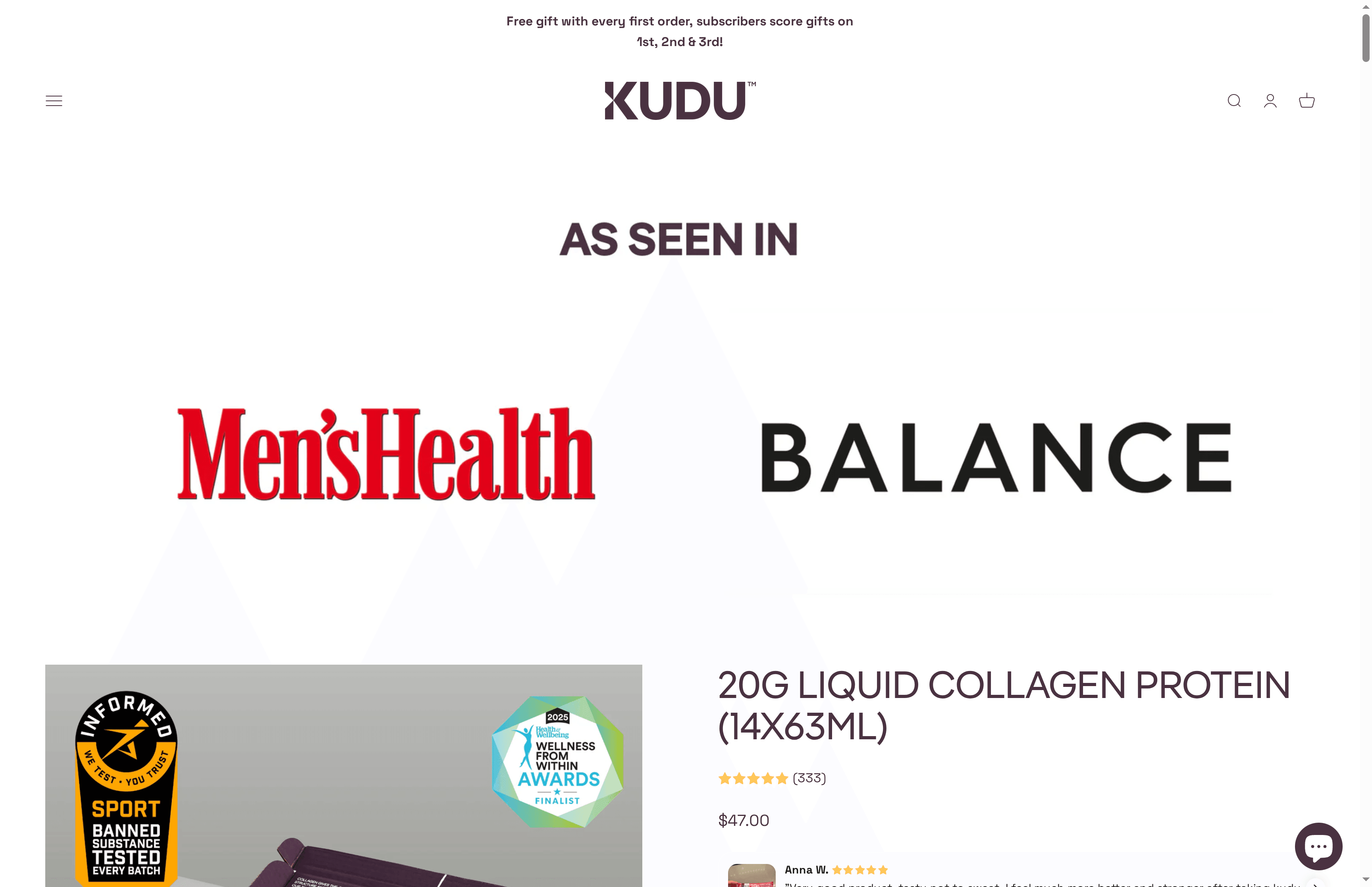
Kudunutrition’s liquid collagen protein sachets deliver 20g of high-quality collagen protein per sachet, providing the glycine, proline, and hydroxyproline that bone matrix synthesis depends on. The liquid format means fast absorption, and the Informed Sport certification confirms exactly what you are getting. If you are building a complete bone health nutrition strategy and want a supplement you can trust, the collagen protein range at Kudunutrition is worth exploring as a practical daily addition.
FAQ
What is nutrient synergy for bone health?
Nutrient synergy for bone health refers to the way specific vitamins and minerals work together to produce stronger outcomes than any single nutrient can achieve alone. For example, vitamin D and K2 together significantly improve calcium absorption and bone mineralisation compared to either nutrient in isolation.
Which vitamin combination is most important for bone density?
Vitamin D and vitamin K2 form the most evidence-backed combination for vitamins for bone density. A meta-analysis of eight trials confirmed their combined use significantly increases total bone mineral density and improves calcium utilisation.
Can you get enough bone health nutrients from food alone?
For most healthy adults eating a varied diet, food-first nutrition can cover the majority of bone health nutrient needs. Vitamin D is the most common exception, particularly in low-sunlight climates, where supplementation is often warranted alongside dietary sources.
Is calcium supplementation risky?
High-dose calcium supplements carry risks including kidney stones and cardiovascular complications. Around 700 mg daily from whole food sources is generally considered safer and sufficient when co-nutrients like vitamin D, K2, and magnesium are also adequate.
How does collagen relate to bone strength?
Collagen forms roughly 30% of bone tissue by weight and provides the flexible matrix that prevents fractures under impact. Adequate dietary protein and vitamin C are both required for the body to synthesise and maintain this collagen framework effectively.