


Busy lives, changing routines, and the early signs of ageing can leave your skin feeling less vibrant than you remember. For many women in the United Kingdom, finding a smarter way to revive radiance and support recovery means looking beyond standard creams. With a focus on nutrition, gentle care, and quality collagen supplementation, you can help your skin repair and defend itself each day while supporting your wellness goals. This guide shows how to prepare your skin, integrate effective supplements, and keep up the right habits for visible results.
Table of Contents
- Step 1: Prepare Your Skin With Gentle Cleansing
- Step 2: Integrate High-Quality Liquid Collagen Supplements
- Step 3: Adopt Nutrient-Rich Hydration And Diet Strategies
- Step 4: Assess Visible Improvement And Maintain Progress
Quick Summary
| Key Point | Explanation |
|---|---|
| 1. Cleanse your skin gently | Use a suitable cleanser for your skin type to remove impurities without damaging the protective barrier. |
| 2. Consistently take liquid collagen | Daily intake of high-quality liquid collagen, preferably with vitamin C, supports skin elasticity and hydration significantly over time. |
| 3. Prioritise a nutrient-rich diet | Incorporate proteins, vitamins, and healthy fats to enhance skin recovery and improve overall texture and elasticity. |
| 4. Hydrate adequately | Drinking at least 2 litres of water daily is essential for cellular function and aiding in nutrient absorption for skin health. |
| 5. Monitor progress regularly | Track visible changes in skin condition at least every four weeks to maintain motivation and adapt your routine as needed. |
Step 1: Prepare your skin with gentle cleansing
Your skin’s outer layer acts as your body’s first line of defense against the environment. Before you can boost recovery, you need to remove the barriers preventing proper absorption—dirt, sweat, dead cells, and bacteria that accumulate throughout the day.
Gentle cleansing is foundational to skin recovery because it removes these impurities without compromising your protective barrier. Think of it like preparing a canvas before painting; you want it clean but not stripped. Here’s how to approach it correctly.
Choose the right cleanser for your skin type:
- For normal to oily skin: use a gentle soap or detergent with lukewarm water
- For dry or sensitive skin: opt for emollient preparations like aqueous cream or emulsifying ointment to avoid irritation
- Avoid harsh soaps that strip away natural oils your skin needs for defence and recovery
The skin’s three-layer structure means you’re working with delicate tissues that deserve careful attention. Your epidermis, dermis, and subcutaneous layers all play a role in maintaining firmness and elasticity.
Follow this simple cleansing routine:
- Use lukewarm water, not hot, which can damage the skin barrier
- Apply your chosen cleanser in gentle circular motions for 30 to 60 seconds
- Rinse thoroughly with clean water until no residue remains
- Pat your skin dry with a soft towel—don’t rub aggressively
Maintaining your skin’s natural oils during cleansing is critical for defence and recovery. Gentle cleansing preserves these oils rather than stripping them away.
Timing matters too. Cleanse once in the morning to remove overnight buildup, and once before bed to eliminate daily impurities. This consistent approach keeps your skin prepared for the recovery steps that follow, without overworking or damaging your protective layers.
Here’s a summary of skin cleansing approaches by skin type:
| Skin Type | Ideal Cleansing Method | Risk if Incorrect Product Used | Benefit of Correct Method |
|---|---|---|---|
| Normal to oily | Gentle soap, lukewarm water | Increased dryness or irritation | Maintains balanced oil levels |
| Dry or sensitive | Emollient cream or ointment | Redness, tightness, barrier disruption | Preserves skin hydration |
| Combination | Mild cleanser, water | Flakiness in dry areas, oiliness in others | Supports both dry and oily zones |
| Mature | Emulsifying ointment | Weakening of skin barrier | Reduces irritation, boosts defence |
Pro tip: Use cool water as your final rinse to help close your pores and tighten your skin’s surface, leaving it feeling refreshed and ready to absorb recovery treatments.
Step 2: Integrate high-quality liquid collagen supplements
Now that your skin is clean and prepared, it’s time to introduce the building blocks your skin needs to recover and regenerate. Liquid collagen supplements work from the inside out, addressing the natural decline in collagen production that begins in your mid-twenties.
Collagen is the protein responsible for skin firmness, elasticity, and hydration. As you age, your body produces less of it, leading to fine lines and loss of elasticity. Hydrolysed collagen supplementation has been shown to stimulate fibroblast activity, which means your skin cells actively produce more collagen and improve elasticity, hydration, and wound healing.
Timing is everything when taking your supplement:
- Take your collagen supplement consistently at the same time each day, ideally in the morning or with breakfast
- Pair it with vitamin C-rich foods or a vitamin C supplement to enhance collagen synthesis
- Allow at least 8 to 12 weeks of consistent use before assessing visible results
- Stay hydrated throughout the day to support collagen absorption and skin hydration
Liquid collagen offers superior absorption compared to powders because it’s already broken down and easier for your digestive system to process. This means your body can utilise the amino acids more efficiently, delivering faster results to your skin.
When selecting a collagen supplement, prioritise quality markers that matter. Look for products that are third-party tested, specify their collagen content clearly, and come from reputable sources. Understanding how your body absorbs collagen helps you make informed choices about which formulation works best for your recovery goals.
Quality collagen supplements provide the amino acids your skin needs to counteract natural age-related decline and environmental damage, supporting visible recovery within weeks.
Consistency matters more than perfection. Missing an occasional dose won’t derail your progress, but maintaining a daily routine ensures your skin receives steady support for collagen production and repair.
Pro tip: Take your liquid collagen supplement with a meal containing healthy fats or vitamin C to maximise absorption and accelerate the visible improvements in skin elasticity and hydration.
Step 3: Adopt nutrient-rich hydration and diet strategies
Your skin recovery depends on more than topical treatments and supplements. What you eat and drink directly influences your skin’s ability to rebuild collagen, maintain elasticity, and repair damage from within.

Nutrition is fundamental to wound healing and skin recovery, with specific nutrients playing critical roles in inflammation regulation, tissue repair, and cell regeneration. Think of your diet as the fuel your skin cells need to function optimally and respond to the collagen supplementation you are taking.
Prioritise these key nutrients for skin recovery:
- Protein and amino acids: essential building blocks for collagen synthesis and repair
- Vitamin C: supports collagen formation and protects against environmental damage
- Zinc and iron: regulate cell regeneration and tissue healing
- Essential fats like omega-3 and omega-6 maintain your skin’s protective barrier and reduce inflammation
Your hydration strategy matters just as much as your food choices. Drinking adequate water throughout the day supports cellular function and tissue repair, allowing your skin to absorb and utilise the nutrients you are providing. Aim for at least 2 litres daily, more if you exercise regularly.
Incorporate practical changes into your existing routine. Include fatty fish like salmon or mackerel twice weekly for omega-3s. Add seeds, nuts, and poultry to meals for additional essential fats. Eat vitamin C-rich foods such as berries, citrus, and leafy greens alongside your collagen supplement to enhance absorption.
A balanced diet rich in varied nutrients paired with consistent hydration is integral to skin recovery and maintaining the radiant appearance you are working towards.
You do not need to overhaul your entire diet overnight. Small, sustainable changes compound over time. Swapping sugary drinks for water, adding one extra vegetable to dinner, or including a handful of almonds as a snack creates momentum without overwhelming your schedule.
For quick reference, here’s how key nutrients impact skin recovery:
| Nutrient | Primary Function | Visible Skin Effect |
|---|---|---|
| Protein | Collagen building & repair | Firms and strengthens skin |
| Vitamin C | Collagen synthesis support | Brightens, reduces damage |
| Zinc | Cell regeneration, healing | Enhances repair speed |
| Omega-3 | Moisture barrier maintenance | Softer, more resilient skin |
| Iron | Oxygen delivery to cells | Boosts natural glow |
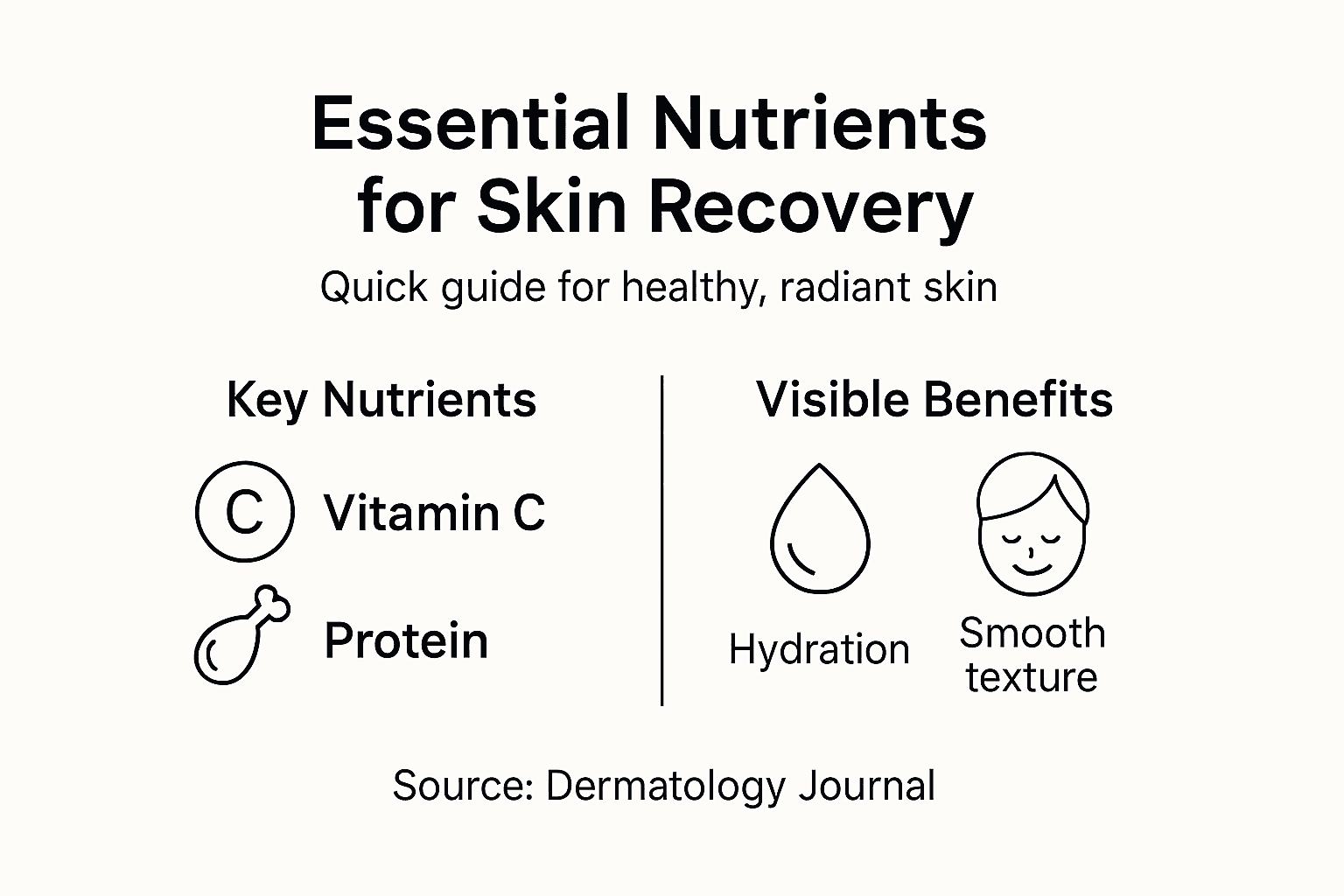
Pro tip: Take your collagen supplement with a meal containing vitamin C and healthy fats to maximise absorption and create a synergistic effect that accelerates visible skin improvements.
Step 4: Assess visible improvement and maintain progress
You have committed to cleansing, supplementation, and nutrition. Now it’s time to track your progress and ensure your efforts translate into the radiant skin you are working towards. Visible improvements do not happen overnight, but consistent monitoring keeps you motivated and accountable.
Create a baseline for comparison:
- Take clear photos of your skin in natural light before starting your routine, ideally from the same angle
- Document your skin condition in a simple notebook: texture, elasticity, hydration levels, and any concerns
- Assess your progress every 4 weeks rather than daily to avoid disappointment from minor fluctuations
- Note changes in how your skin feels, not just how it looks
Regular assessment helps you identify what is working and what needs adjustment. Monitoring changes in skin condition and timely consultations with dermatologists ensure your recovery stays on track. If you notice your improvements plateau after 12 weeks, it may signal time to adjust your collagen dosage, dietary approach, or skincare routine.
Maintaining progress requires ongoing commitment. Your skin recovery is not a destination but a continuous process. Continue your gentle cleansing routine, take your collagen supplement daily, prioritise hydration, and eat nutrient-rich foods. These habits become easier over time as they integrate into your daily life.
Progress in skin recovery follows a pattern of gradual, cumulative improvements rather than dramatic overnight changes. Trust the process and stay consistent.
You should expect to see initial improvements in skin hydration and texture around 6 to 8 weeks, with more visible changes in elasticity and fine lines between 8 and 12 weeks. Understanding when you should see results with collagen helps you maintain realistic expectations and avoid abandoning your routine prematurely.
If visible improvements stall or your skin regresses, reassess your approach. Are you staying hydrated? Sleeping adequately? Managing stress? Sometimes skin plateaus require lifestyle adjustments beyond supplements and skincare. Consider consulting a dermatologist if concerns arise or progress reverses unexpectedly.
Pro tip: Take monthly progress photos under identical lighting conditions and compare them side by side every three months to celebrate subtle improvements you might otherwise miss in your daily mirror checks.
Unlock Radiant Skin with Targeted Collagen Support
Struggling with dull, tired skin or slow recovery from environmental damage is a common challenge as natural collagen production declines with age. The article highlights how gentle cleansing, nutrient-rich hydration and high-quality collagen supplementation form the cornerstone of skin recovery. Now you can take control with KUDU Nutrition’s premium 20g Collagen Protein Supplements designed specifically to boost collagen synthesis and accelerate visible skin improvements.
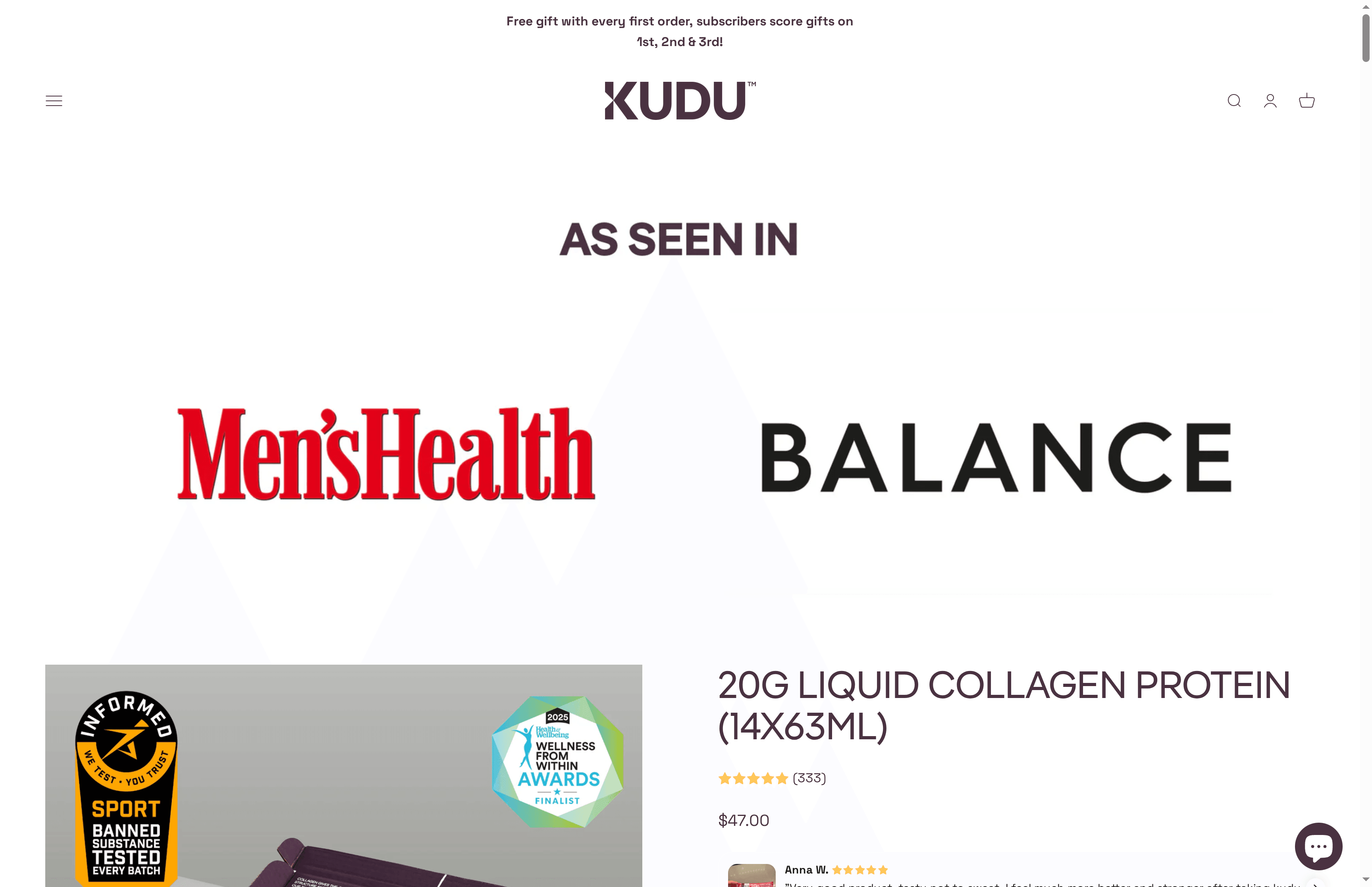
Experience the difference of a scientifically formulated liquid collagen sachet that fits seamlessly into your daily routine. With high collagen content, great taste and quality certifications like Informed Sport, our supplement supports skin elasticity, hydration and repair from within. Start your skin recovery journey today by visiting the product page at KUDU Nutrition and give your skin the targeted nutrition it deserves.
Frequently Asked Questions
How can I prepare my skin for better recovery?
To prepare your skin effectively, start with gentle cleansing to remove dirt and impurities. Use lukewarm water and a suitable cleanser for your skin type, and establish a routine of cleansing once in the morning and once in the evening for optimal results.
What type of collagen is best for skin recovery?
Liquid collagen supplements are generally the best choice for skin recovery as they offer superior absorption. Aim to take your collagen supplement consistently each day, preferably in the morning, to support improved skin elasticity and hydration within 8 to 12 weeks.
What dietary changes can enhance skin recovery?
Incorporating a diet rich in protein, vitamin C, zinc, and healthy fats like omega-3s can significantly enhance skin recovery. Focus on including foods such as fatty fish, nuts, seeds, and plenty of fruits and vegetables to provide the necessary nutrients and hydration for your skin.
How long will it take to see visible improvements in my skin?
You can expect to see initial improvements in skin texture and hydration within 6 to 8 weeks of maintaining your new routine. Monitor your skin condition and continue your cleansing, supplementation, and diet strategies for at least 12 weeks to achieve noticeable changes in elasticity and fine lines.
How should I track my skin recovery progress?
To track your skin recovery progress, take clear photographs of your skin in natural light and note any changes in texture and hydration regularly. Assess your skin condition every 4 weeks and compare the results to ensure you stay motivated and accountable to your skin recovery goals.