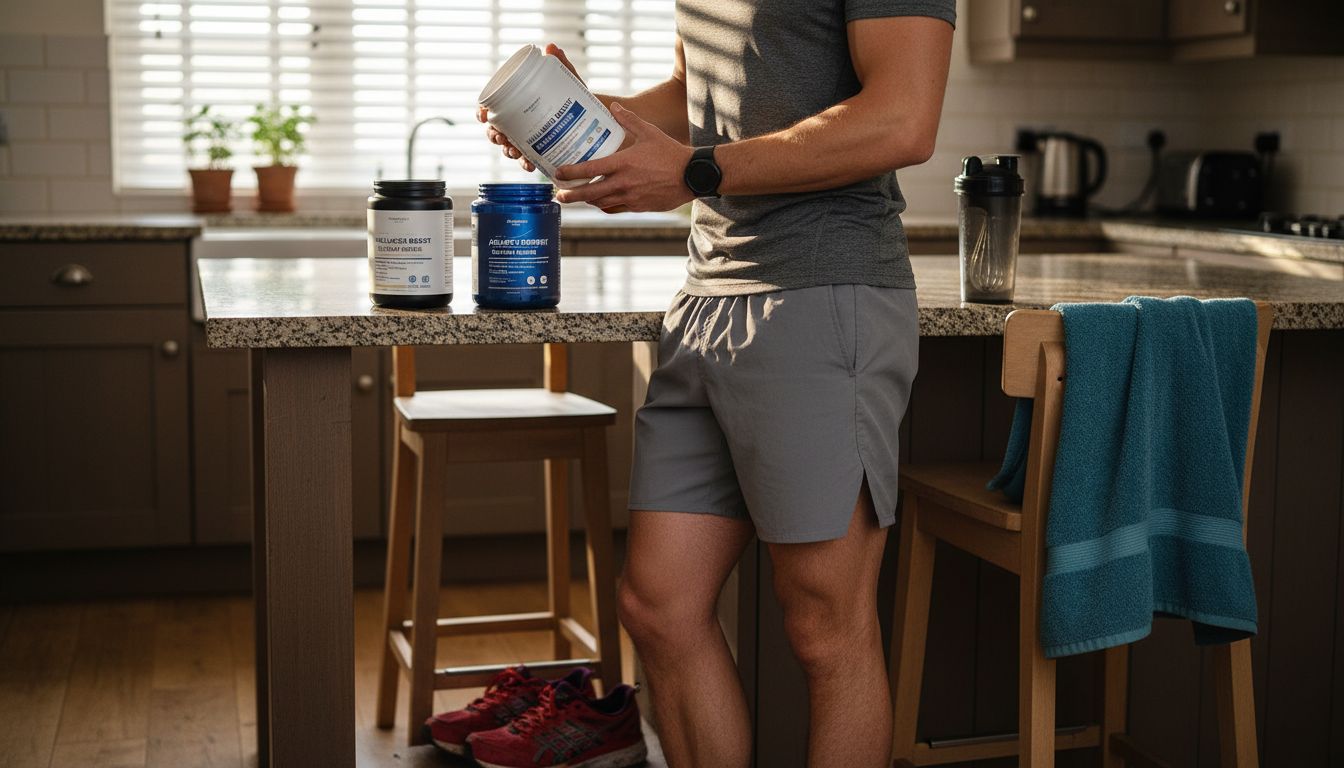


More than fifty percent of British adults are exploring new approaches to manage muscle recovery, yet the science behind collagen remains surprisingly overlooked. For many fitness enthusiasts, understanding how this essential protein supports post-exercise healing can mean fewer injuries and faster progress. This article examines why collagen stands at the center of human recovery, highlighting the unique advantages it offers British athletes and anyone eager to improve their well-being.
Table of Contents
- Collagen’s Role in Human Recovery Processes
- Types of Collagen and Key Differences
- How Collagen Supports Tissue Regeneration
- Benefits for Joint, Skin and Muscle Health
- Risks, Effectiveness, and Quality Standards
Key Takeaways
| Point | Details |
|---|---|
| Collagen’s Role in Recovery | Collagen is vital for muscle tissue repair and reduces recovery time after intense exercise through its amino acid profile. |
| Types of Collagen | Different types of collagen (I, II, III, and Hydrolysed) serve unique functions that are essential for joint health, muscle repair, and overall physiological wellness. |
| Supplementation Best Practices | For optimal results, consume collagen supplements post-workout and select products with multiple collagen types to support diverse bodily needs. |
| Quality Considerations | Choose reputable collagen supplements that undergo third-party testing for purity and demonstrate clear peptide composition to ensure effectiveness. |
How a KUDU shot compares to other collagen formats
Most collagen products give you a fraction of the dose the studies used, and make you mix it yourself. Here is how the common UK formats stack up on the numbers that matter.
| KUDU liquid shot | Collagen powder | Beauty collagen shots | Tablets / capsules | |
|---|---|---|---|---|
| Collagen per serving | 20,000mg | 5,000–10,000mg per scoop | typically 5,000–10,000mg | 500–1,000mg per tablet |
| Preparation | Ready to drink, two sips | Scoop, mix, shake | Ready to drink | 10–20 pills for a 10g dose |
| Sugar | 0g | Varies (often flavoured) | Often 2–5g | 0g |
| Calories | 85 kcal | ~40 kcal per 10g | 30–60 kcal | Negligible |
| Batch-tested for sport | Informed Sport certified | Some brands | Rarely | Rarely |
| Cost per 1,000mg collagen | 12.5p (one-time price) | UK average ~34p across formats | Usually the most expensive per mg | High per mg |
Powder, beauty-shot and tablet columns describe typical mainstream UK products; ranges are indicative. KUDU figures are per 63g sachet. The 34p UK average is KUDU's own comparison of 15 UK brands' listed one-time prices, shown on the 14-pack product page.
Collagen’s Role in Human Recovery Processes
Understanding the intricate biological mechanisms of human recovery reveals collagen’s profound impact on post-exercise regeneration. Collagen, the most abundant protein in the human body, plays a critical role in repairing muscle tissue, supporting joint health, and accelerating the body’s natural healing processes. When muscles experience microtears during intense physical activity, collagen acts as a fundamental building block for tissue reconstruction and cellular repair.
The protein’s amino acid profile makes it particularly effective for muscular recovery. Specifically, glycine and proline - two key amino acids found in collagen - contribute significantly to tissue repair and inflammation reduction. These amino acids stimulate the body’s natural healing response, helping athletes and fitness enthusiasts recover more efficiently after intense workouts. By supporting the regeneration of connective tissues, collagen helps reduce recovery time and minimise potential injury risks.
Muscle recovery isn’t collagen’s only benefit. The protein plays a crucial role in maintaining the structural integrity of tendons, ligaments, and cartilage. As we exercise, these connective tissues experience stress and potential microtrauma. Collagen helps rebuild and strengthen these structures, which is essential for long-term athletic performance and joint health. Regular collagen supplementation can potentially enhance the body’s natural repair mechanisms, supporting more robust and resilient musculoskeletal systems.
Our collagen for muscle recovery page brings together the products and guides for this side of recovery.
Pro Tip for Recovery: Consume collagen protein within 30 minutes after your workout to maximise absorption and support your body’s immediate post-exercise repair processes.
Types of Collagen and Key Differences
Collagen exists in multiple distinct types, each with unique characteristics and functions within human physiology. Type I Collagen, the most abundant variety, comprises approximately 90% of the body’s collagen and provides structural support for bones, skin, and connective tissues. Its remarkable tensile strength makes it crucial for maintaining tissue integrity during physical activities and recovery processes.
Type II Collagen specialises in cartilage formation, playing a pivotal role in joint health and mobility. Unlike Type I, this variant is primarily found in elastic connective tissues, supporting joint functionality and reducing exercise-induced stress. Athletes and fitness enthusiasts particularly benefit from understanding how different collagen types contribute to muscular and skeletal resilience.

Interestingly, research suggests that the molecular structure of collagen can significantly influence its effectiveness. Hydrolysed collagen, which features smaller peptide chains, demonstrates enhanced bioavailability compared to traditional collagen proteins. Emerging scientific investigations indicate that while the fundamental recovery mechanisms remain consistent, the protein’s molecular configuration can impact absorption rates and potential therapeutic benefits.
Pro Tip for Supplement Selection: Choose a collagen supplement containing multiple collagen types to ensure comprehensive nutritional support for your body’s diverse physiological needs.
Here’s a comparison of the main collagen types and their functions:
| Collagen Type | Primary Location | Main Function | Key Benefits |
|---|---|---|---|
| Type I | Skin, bones, tendons | Structural support | Skin elasticity, bone strength |
| Type II | Cartilage, joints | Cartilage formation | Joint flexibility, movement |
| Type III | Muscles, blood vessels | Organ structure | Muscle repair, vascular health |
| Hydrolysed | Various (supplements) | Enhanced absorption | Improved bioavailability, faster effects |
How Collagen Supports Tissue Regeneration
Tissue regeneration represents a complex biological process where collagen plays a pivotal role in cellular repair and structural reconstruction. Protein synthesis is fundamental to this mechanism, with collagen acting as a critical scaffolding material that supports the body’s natural healing responses. The amino acid composition of collagen provides essential building blocks that facilitate rapid and efficient tissue repair, particularly in muscles, tendons, and connective tissues experiencing microdamage during intense physical activities.
Scientific investigations have explored collagen’s regenerative capabilities, revealing nuanced insights into its recovery mechanisms. Research examining collagen peptide supplementation suggests moderate benefits for muscle performance and soreness reduction, indicating its potential to accelerate tissue healing processes. The protein’s unique molecular structure enables it to stimulate fibroblast production, which directly contributes to the synthesis of extracellular matrix components essential for tissue reconstruction.
The biochemical interactions of collagen extend beyond simple protein replacement. Glycine, proline, and hydroxyproline - amino acids abundant in collagen - trigger cellular signalling pathways that promote tissue regeneration. These amino acids help recruit growth factors, stimulate cell migration, and support the complex inflammatory responses necessary for effective healing. By modulating these intricate biological processes, collagen transforms from a structural protein into an active participant in the body’s recovery mechanisms.
Pro Tip for Tissue Support: Consume collagen supplements consistently and pair them with protein-rich foods to maximise your body’s natural tissue regeneration capabilities.
Benefits for Joint, Skin and Muscle Health
Collagen plays a transformative role in supporting comprehensive physiological wellness, delivering targeted benefits across joint, skin, and muscle health domains. Musculoskeletal integrity depends significantly on collagen’s unique structural properties, which provide essential support for maintaining tissue elasticity, strength, and regenerative capacity. By serving as a fundamental protein matrix, collagen enables complex biomechanical functions that are critical for athletic performance and everyday movement.
Joint health represents a primary beneficiary of consistent collagen supplementation. Systematic research examining collagen peptide supplementation indicates significant improvements in joint functionality and pain reduction. The protein’s molecular structure helps reinforce cartilage, enhance joint lubrication, and potentially mitigate age-related degradation, making it particularly valuable for athletes and individuals experiencing joint stress.
Beyond joint support, collagen demonstrates remarkable benefits for skin and muscle health. The protein contributes to skin elasticity by supporting collagen production, which can reduce visible signs of ageing and promote a more youthful appearance. Muscular recovery is enhanced through collagen’s amino acid profile, which supports protein synthesis and helps rebuild muscle tissue following intense physical exertion. These multifaceted benefits underscore collagen’s importance as a holistic nutritional supplement for maintaining bodily resilience and performance.

Pro Tip for Comprehensive Health: Integrate collagen supplements into your daily routine consistently, combining them with balanced nutrition and regular exercise to maximise potential health benefits.
Risks, Effectiveness, and Quality Standards
Nutritional supplementation demands rigorous scrutiny, and collagen products are no exception. Understanding the nuanced landscape of collagen effectiveness requires careful examination of scientific evidence, potential risks, and quality benchmarks. While collagen supplements offer promising potential, consumers must approach their selection with informed discernment and realistic expectations about potential physiological impacts.
Research examining collagen consumption patterns reveals significant variability in dietary intake across different demographic groups. Adult populations, particularly females and older individuals, often demonstrate insufficient natural collagen consumption, suggesting potential benefits from targeted supplementation. However, the scientific community remains cautious, emphasising the importance of high-quality, laboratory-verified supplements that undergo comprehensive testing for purity, bioavailability, and potential contaminants.
The effectiveness of collagen supplements is not universally consistent. Some studies indicate modest improvements in joint functionality and skin elasticity, while others demonstrate limited measurable outcomes. A critical consideration is the molecular structure of collagen proteins - hydrolysed variants tend to demonstrate superior absorption compared to traditional protein formulations. Potential risks remain minimal for most healthy individuals, though people with specific allergies or underlying medical conditions should consult healthcare professionals before initiating supplementation.
Pro Tip for Supplement Selection: Prioritise collagen supplements from reputable manufacturers that provide transparent third-party testing results and clearly demonstrate their product’s protein peptide composition and molecular breakdown.
To help you choose quality collagen supplements, consider these important standards:
| Quality Criteria | Description | Importance |
|---|---|---|
| Third-party testing | Independent lab verification | Ensures product purity |
| Peptide composition disclosure | Clarity on amino acid makeup | Informs about effectiveness |
| Bioavailability | Rate of absorption in body | Impacts potential results |
| Source transparency | Clear sourcing information | Confirms safety and ethics |
Boost Your Recovery with Targeted Collagen Support
After intense workouts, your muscles, joints and connective tissues need effective nourishment to rebuild and stay resilient. The article highlights how collagen’s unique amino acids and structural proteins accelerate tissue regeneration, reduce inflammation and support joint flexibility. If you want to shorten recovery times and protect your body’s performance, incorporating a high-quality collagen supplement is essential. KUDU Nutrition offers premium solutions designed specifically for these recovery challenges.
Discover the benefits of our 20g Collagen Protein Supplements for enhanced muscle repair and joint health.

Experience the difference of our Informed Sport certified collagen sachets, scientifically formulated for optimal absorption and immediate post-exercise support. Don’t wait to nurture your body’s natural healing processes. Visit our product page to take control of your fitness recovery today and explore the full range on our front page. Your body deserves proven support to recover faster and perform stronger.
Frequently Asked Questions
How does collagen support muscle recovery after exercise?
Collagen supports muscle recovery by acting as a fundamental building block for repairing muscle tissue. Its amino acid profile, particularly glycine and proline, helps reduce inflammation and promotes effective cellular repair.
What role does collagen play in joint health for athletes?
Collagen is crucial for joint health as it reinforces cartilage, enhances joint lubrication, and may help mitigate age-related degradation, thus improving joint functionality and reducing pain during physical activities.
Are all types of collagen equally effective for recovery?
No, different types of collagen serve distinct functions. Type I is primarily for skin and bone support, while Type II focuses on cartilage and joint health. Hydrolysed collagen offers enhanced absorption, making it potentially more effective for recovery purposes.
How can I maximize the benefits of collagen supplements for recovery?
To maximise the benefits, consider consuming collagen supplements within 30 minutes after a workout to enhance absorption, and pair them with a balanced diet rich in protein to support your body’s natural tissue regeneration processes.
Recommended
 20g per shot
Ready to try it?
20g Liquid Collagen Protein
4.7 from 495 reviews
- 20g hydrolysed bovine collagen per shot
- Ready to drink in two sips. 85 kcal, 0g sugar
- Informed Sport certified
Pick a flavour
£34.95 for 14
or £1.99 a shot on subscription
Free UK delivery over £50 · 60-day money-back guarantee · Pause or cancel any time
More on this topic: Collagen for muscle recovery →